


Sphindic Symmetry - [O,O,2] order 4*OO. This is the symmetry of the spherinder.
Prosphindic Symmetry - [[O,O]⁺,2] order 2*OO. This is the product of kispheric symmetry with dyadic.
Kisphindic Symmetry - [O,O,2]⁺ order 2*OO. This is the chiral version of sphindic symmetry.
Sphonic Symmetry - [O,O,1] order 2*OO. This is the symmetry of the sphone (spherical cone), it is a copy of the 3-D spheric symmetry.
Kisphonic Symmetry - [O,O,1]⁺ order OO. This is a 4-D copy of the kispheric symmetry.
Tepic Symmetry - [3,3,2] order 48. This is the tetrahedron prism symmetry. It has two tettic points, two sets of four trippic points, and six brick symmetric points. It has four dyadic rings that generate eight trigonic regions, three rectic rings which create 12 rectic regions, and six horizontal dyadic rings that create 12 rectic regions. It has six rectpyric spheres that generate 24 dyadic regions and one tettic sphere that create 24 dyadic regions. White space creates 48 no sym areas.
Protepic Symmetry - [[3,3]⁺,2] order 24. This is the prism of chiral tet symmetry. It has two kitettic points, two sets of four protrippic points, and six espic points. It has four dyadic rings that create eight kitriggic regions and three rectic rings that create 12 essic regions. White space creates 24 no sym areas.
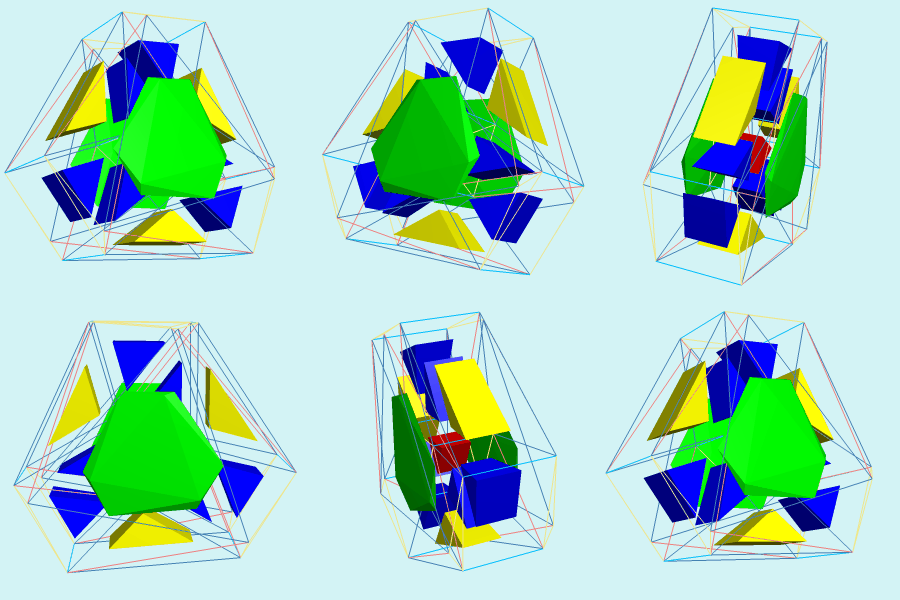

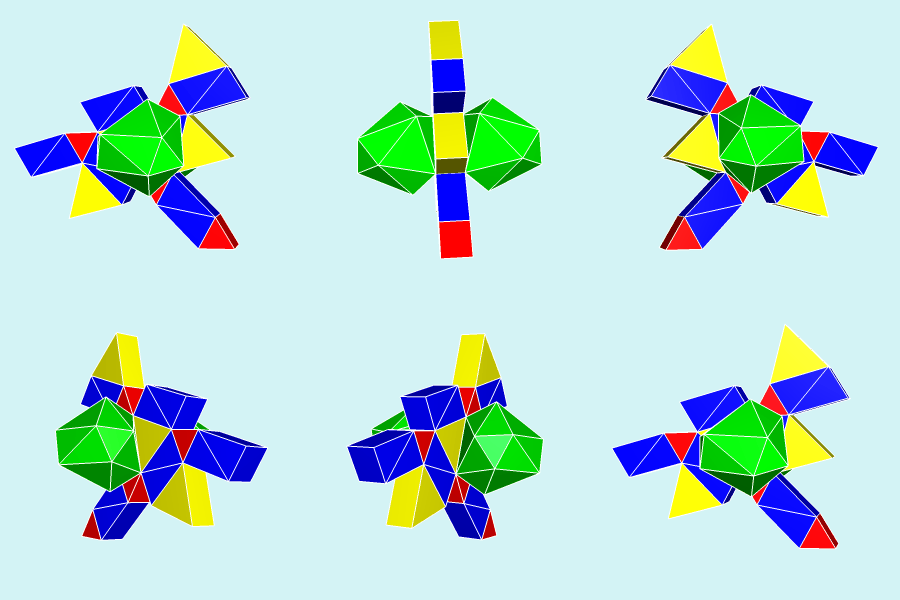
Kitepic Symmetry - [3,3,2]⁺ order 24. This is chiral tepe symmetry. It has two kitettic points, two sets of four kitrippic points, and six kibrick points. It has four dyadic rings that create eight kitriggic regions, three rectic rings that create 12 essic regions, and six dyadic rings that create 12 essic points. There's one ghost sphere with tettic symmetry which is part of white space. White space creates 24 no sym areas.


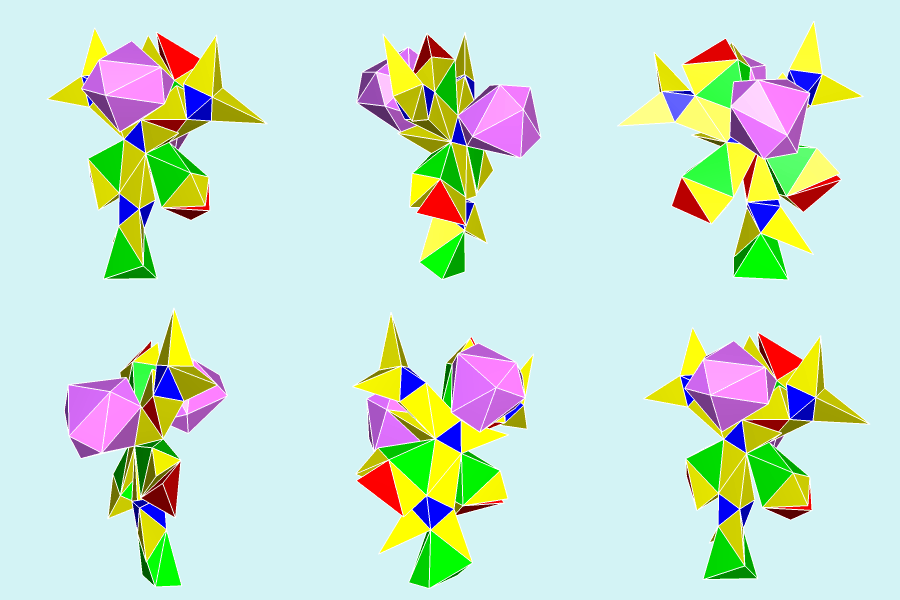
Tetapic Symmetry - [3,3⩫2] order 48. This is the tet antiprism symmetry. It has two tettic spots and six dappic spots. It has four essic rings which generate 8 trigonic regions, three rectic rings which create 12 rectic areas, and three square symmetric rings that create 24 essic areas. It has one ghost sphere with tet-skewed cubic symmetry and six rectic spheres which generate 24 dyadic areas. White space creates 48 no sym areas.
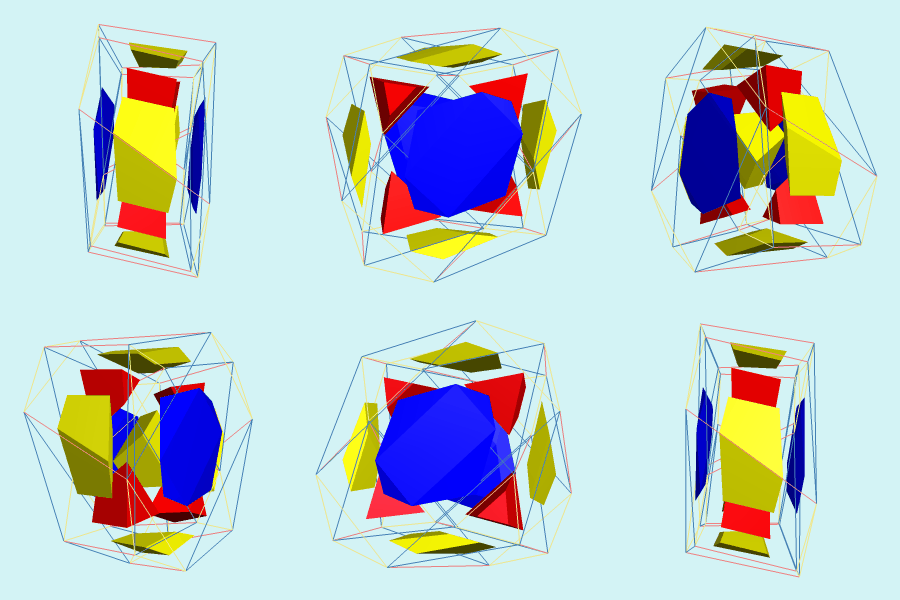

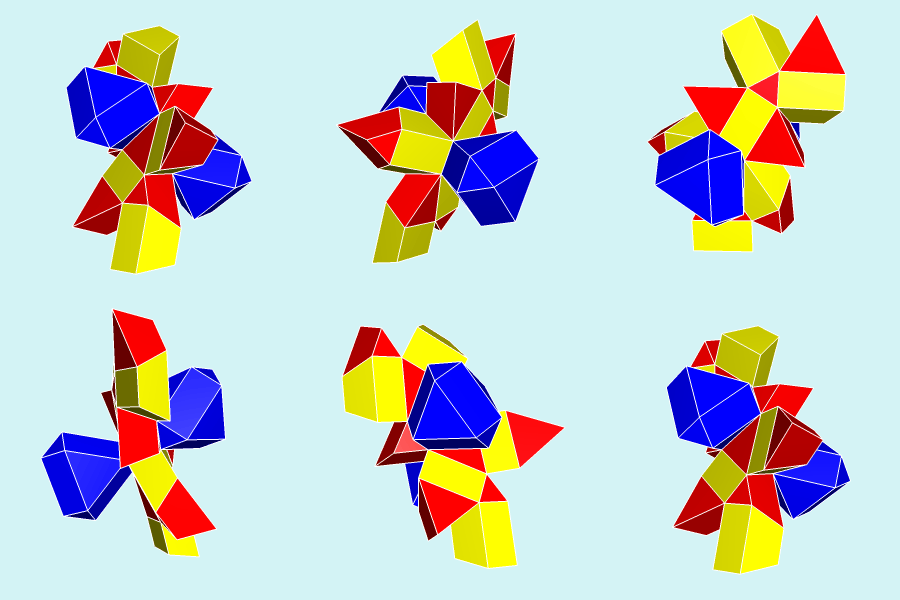
Protetapic Symmetry - [[3,3]⩫2] order 24. It has two kitettic spots and six prodappic spots. It has four essic rings which generate 8 kitriggic spots and three rectic rings that generate 12 essic spots. It has one kitet-skewed kicubic ghost sphere. White space creates 24 no sym areas.
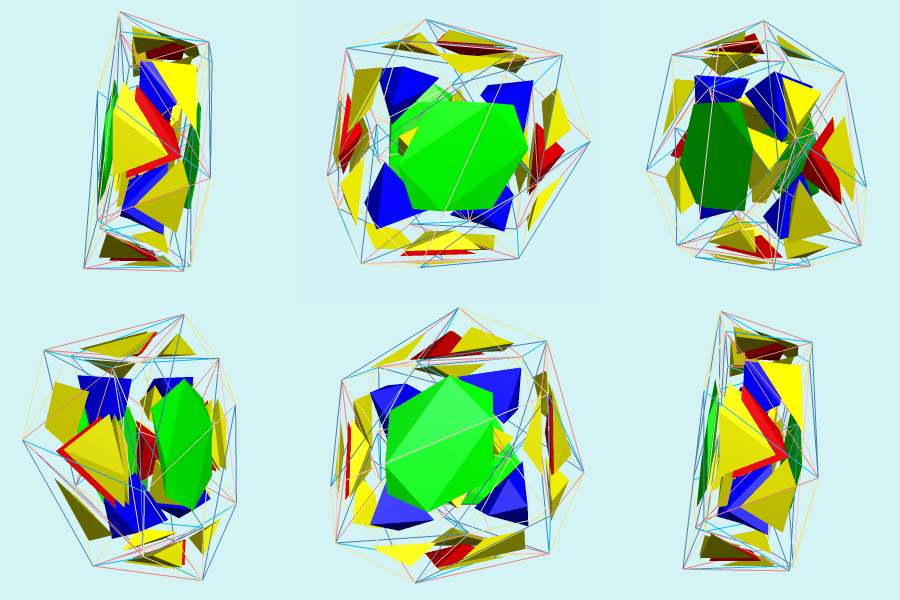

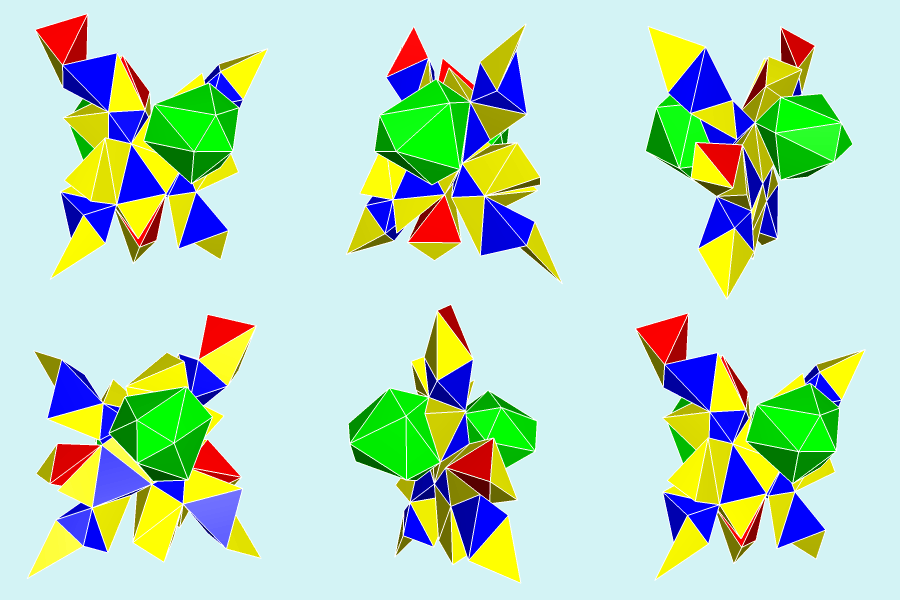
Kitetapic Symmetry - [3,3⩫2]⁺ order 24. It has two kitettic spots and six kibrick spots. It has four essic rings which generate 8 kitriggic spots, three rectic rings that generate 12 essic spots, and three rectic rings that generate 12 essic regions. It has one kitet-skewed pyritic ghost sphere. White space creates 24 no sym areas.
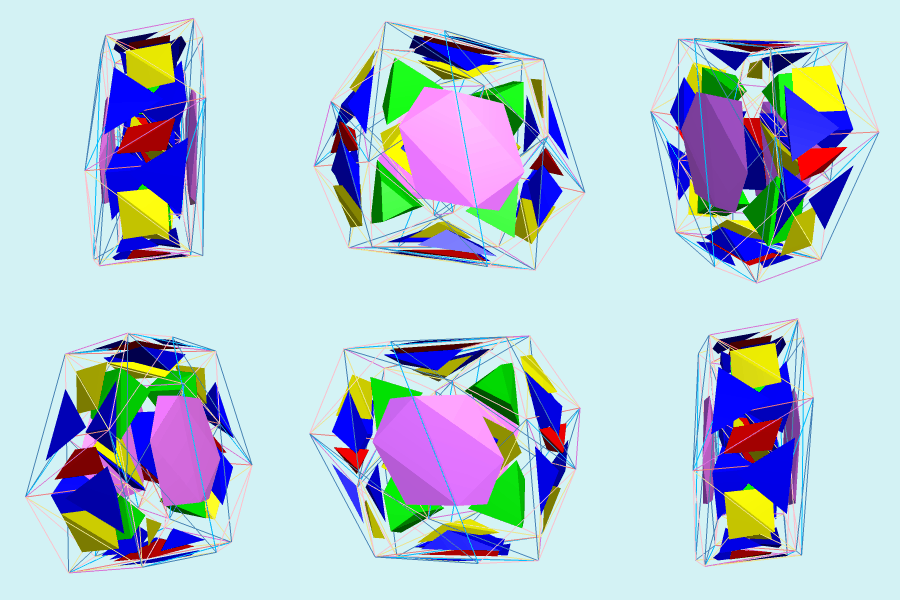

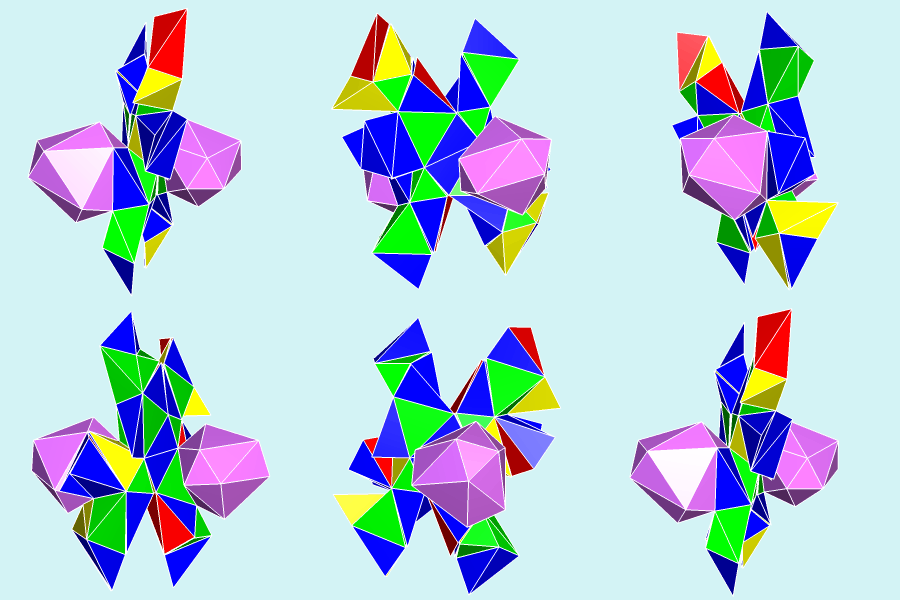
Tetpyric Symmetry - [3,3,1] order 24. This is the tet pyramid symmetry and is the 4-D version of tettic symmetry. It has two distinct tettic points. It has four no sym rings which generate four trigonic regions and three dyadic rings that create six rectic regions. It has six dyadic spheres that create 12 dyadic regions and white space creates 24 no sym areas.

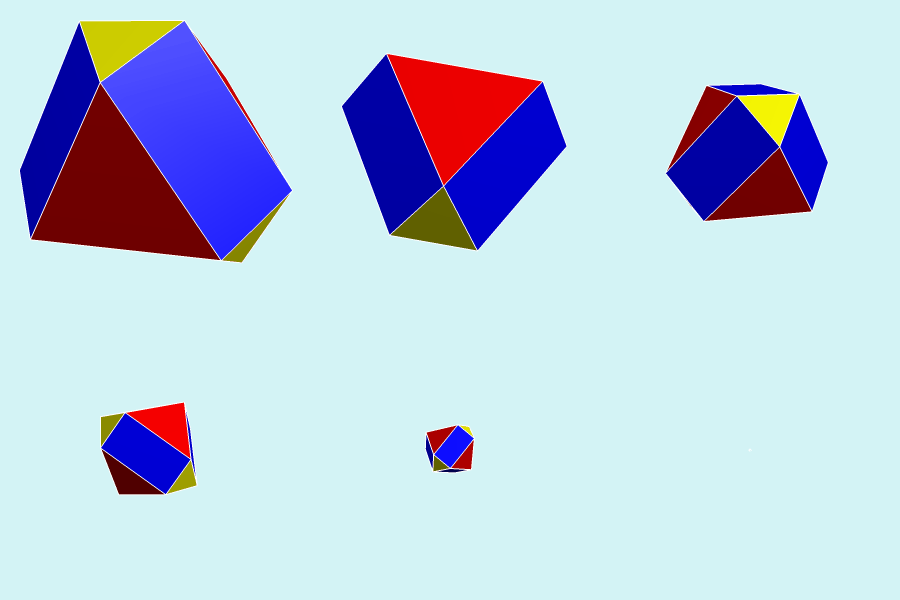
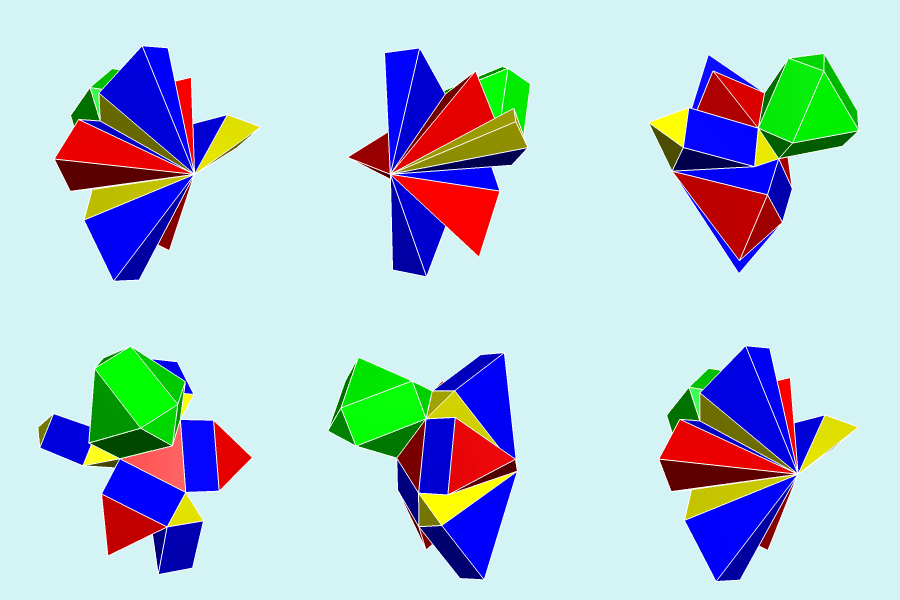
Kitetpyric Symmetry - [3,3,1]⁺ order 12. This is the 4-D version of kitettic symmetry. It has two distinct kitettic points. It has four no sym rings which generate four kitriggic areas and three dyadic rings which create six essic areas. White space creates 12 no sym areas.


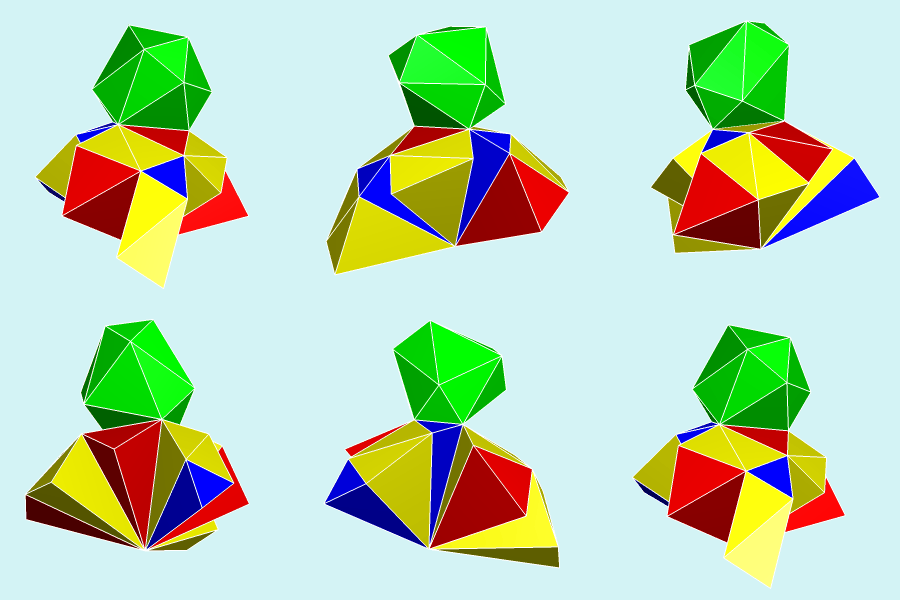
Cupic Symmetry - [4,3,2] order 96. This is the cube prism symmetry. It has two points with cubic symmetry, six with squippic symmetry, 8 with trippic symmetry, and 12 points with brick symmetry. It has three rectic rings that generate 12 square symmetric areas, four rectic rings which generate 16 triggic regions, six rectic vertical rings which create 24 rectic regions, three square symmetric rings which create 24 rectic regions, and six rectic horizontal rings which generate 24 rectic regions. It has one sphere with cubic symmetry which generate 48 dyadic regions, three spheres with squippic symmetry which generate 48 dyadic regions, and six spheres with brick symmetry which generate 48 dyadic regions. White space creates 96 no sym areas.
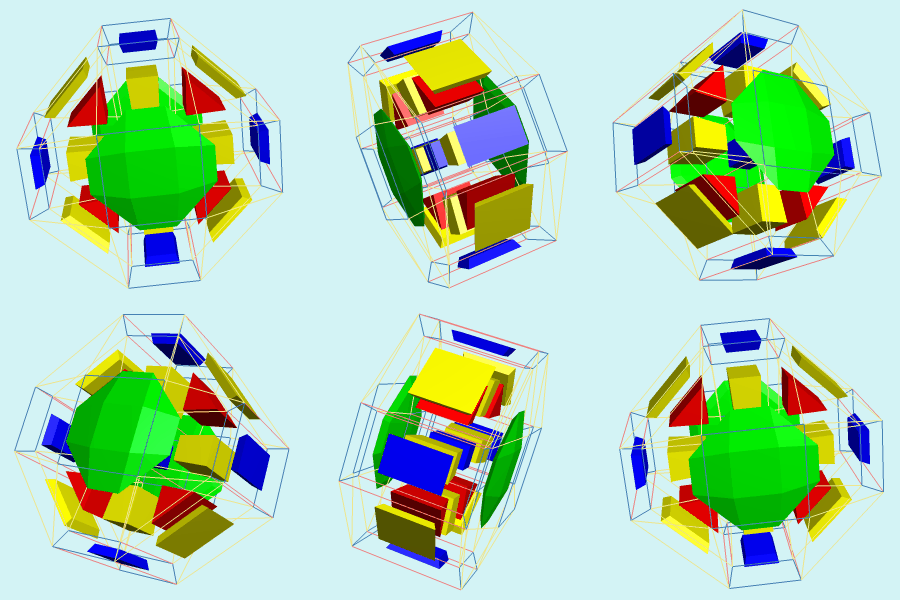


Procupic Symmetry - [[4,3]⁺,2] order 48. This is the symmetry of the snic prism. It has two kicubic points, six prosquippic points, 8 protrippic points, and 12 espic points. It has three rectic rings that generate 12 kisquare regions, four rectic rings which generate 16 kitriggic regions, and six rectic rings which create 24 essic regions. It has one sphere with kicubic symmetry which creates 24 dyadic regions. White space creates 48 no sym areas.
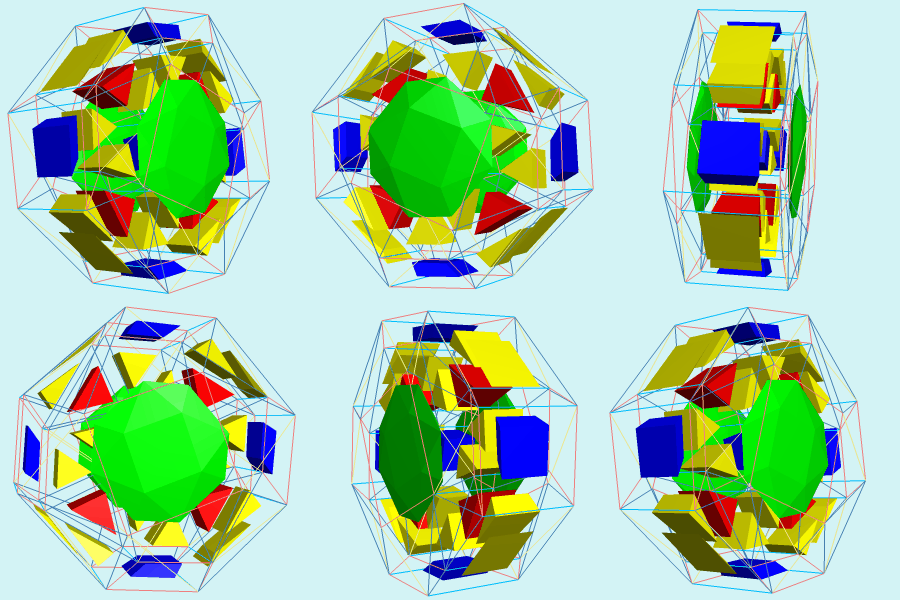

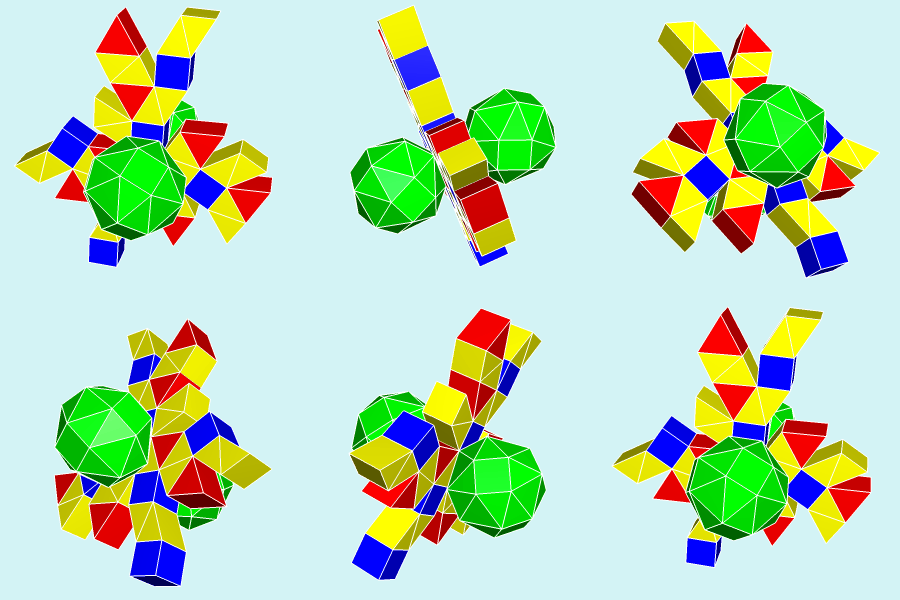
Kicupic Symmetry - [4,3,2]⁺ order 48. This is the symmetry of the snic alterprism. It has two kicubic points, six kisquippic points, 8 kitrippic points, and 12 kibrick points. It has three rectic rings that generate 12 kisquare regions, four rectic rings which generate 16 kitriggic regions, and six rectic rings which create 24 essic regions. It has one ghost sphere with cubic symmetry. White space creates 48 no sym areas.
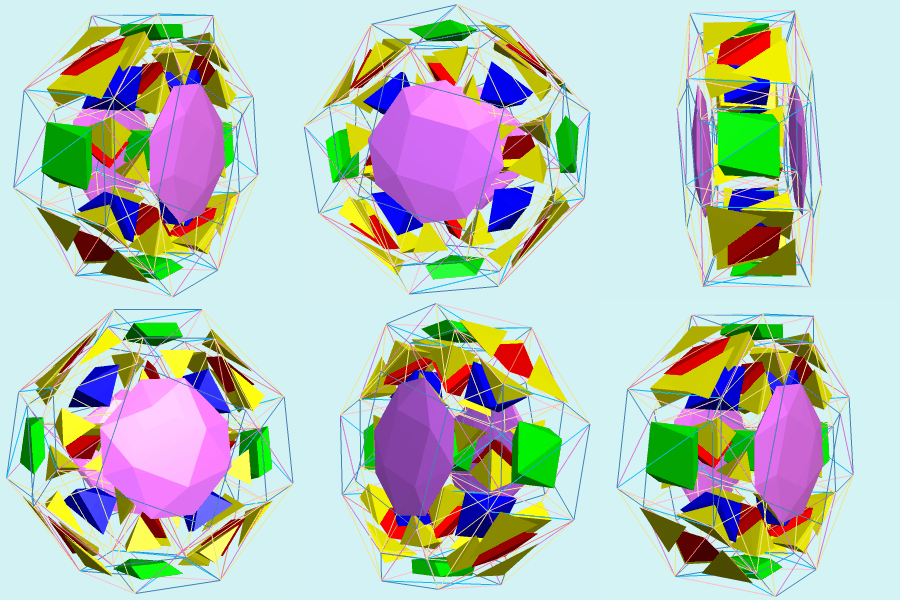

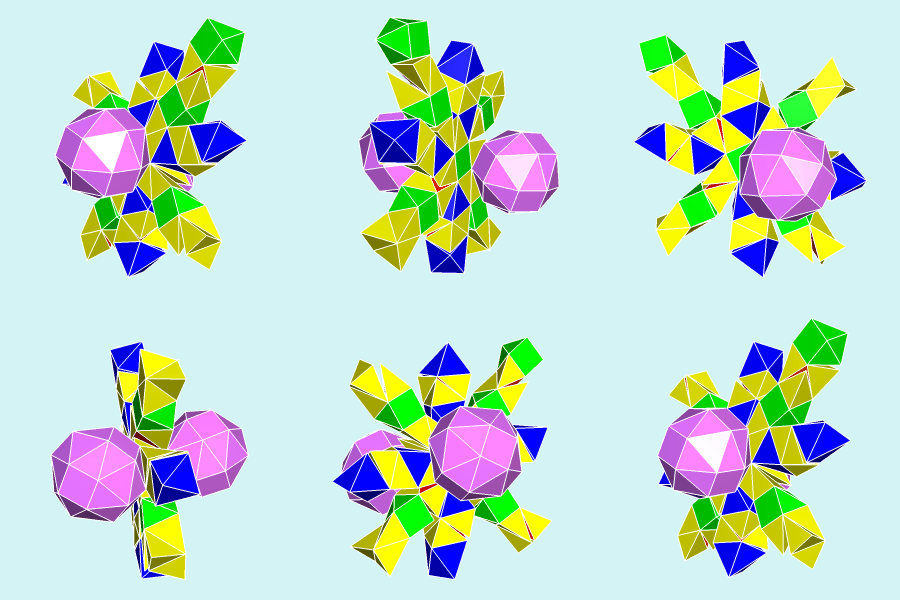
Pyripic Symmetry - [4,3⁺,2] order 48. It has two pyritic points, six brick symmetric points, and 8 protrippic points. It has three rectic rings which generate 12 rectic areas (vertical), four rectic rings which generate 16 kitriggic areas, and three rectic rings which generate 12 rectic areas (horizontal). It has one pyritic sphere which generates 24 dyadic areas and three brick symmetric spheres which generate 24 dyadic areas. White space creates 48 no sym areas.
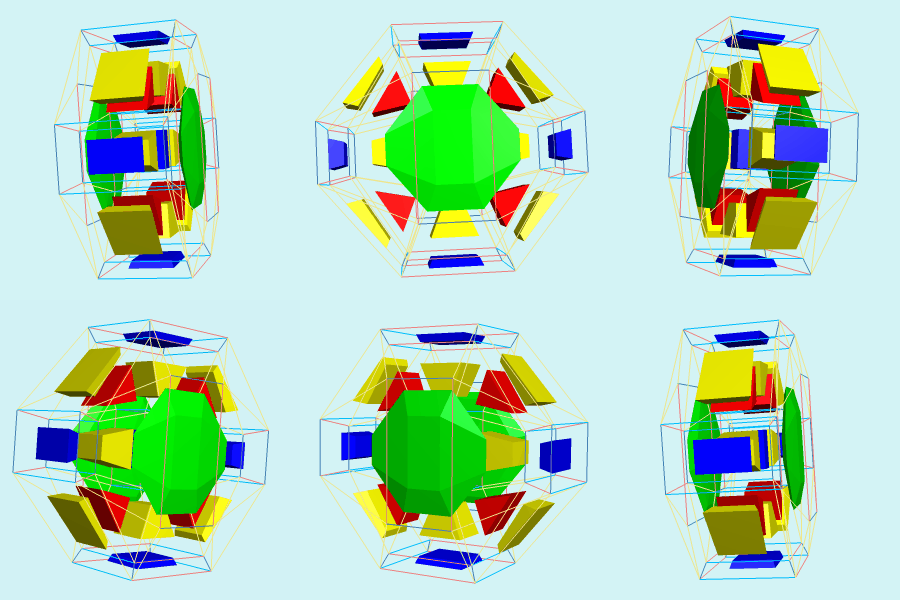


Pyrapic Symmetry - [4,[3,2]⁺] order 48. It has two pyritic points, six dappic points, and 8 kitrippic points. It has three rectic rings which generate 12 rectic areas, four rectic rings which generate 16 kitriggic areas, and six rectic rings that create 24 essic regions. It has three dappic spheres which generate 24 dyadic areas and a ghost sphere with cubic symmetry. White space creates 48 no sym areas.
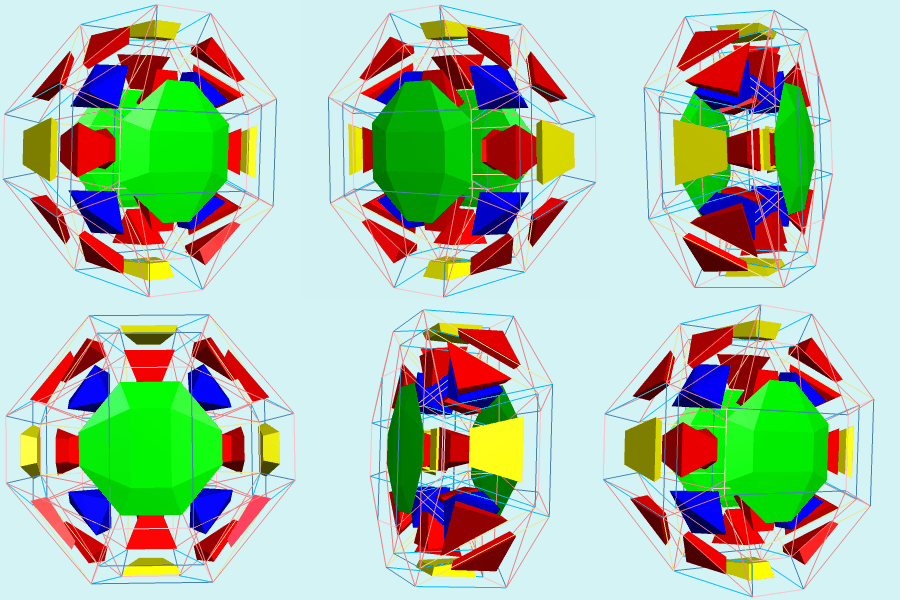
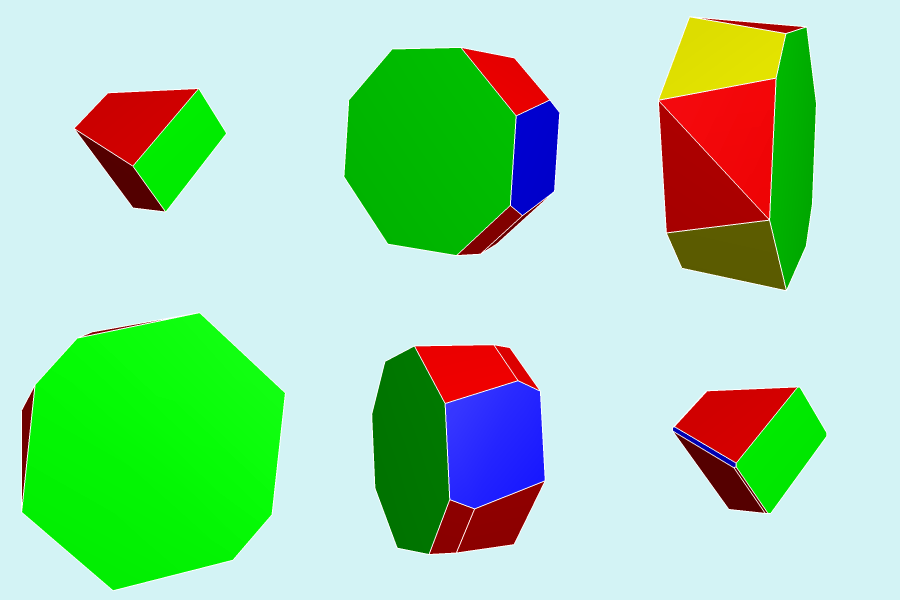
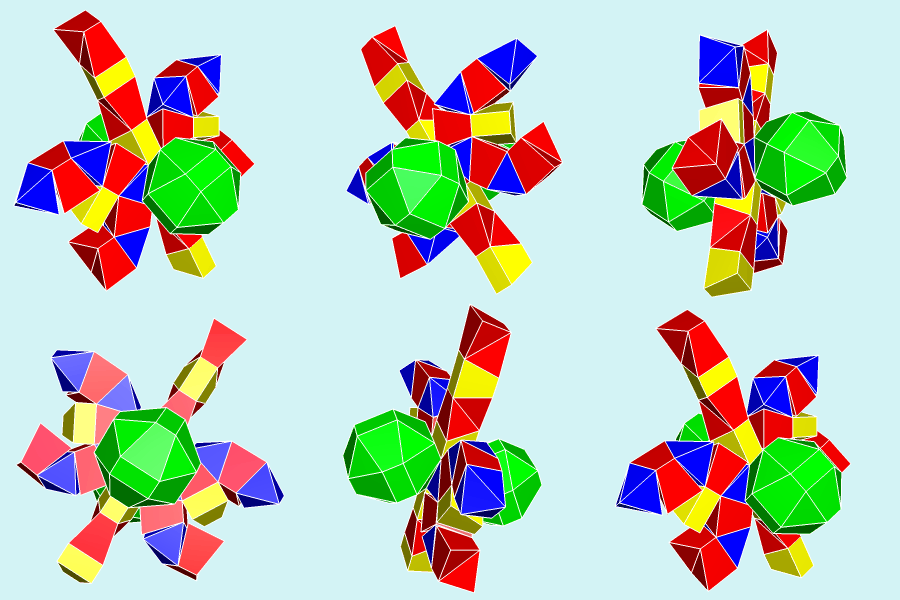
Cupyric Symmetry - [4,3,1] order 48. This is the symmetry of the cube pyramid and is a 4-D copy of cubic symmetry. It has two distinct cubic points. It has three dyadic rings which generate six square symmetric areas, four dyadic rings which create 8 triggic areas, and six dyadic rings which create 12 rectic areas. It has three spheres with squippyric symmetry which generate 24 dyadic regions and six spheres with rectpyric symmetry which generate 24 dyadic regions. White space creates 48 no sym areas.


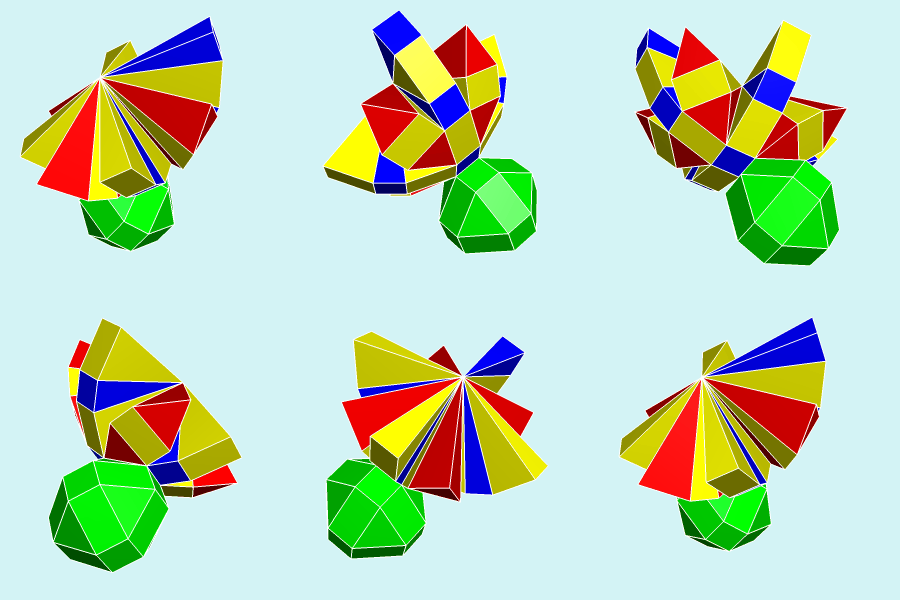
Kicupyric Symmetry - [4,3,1]⁺ order 24. This is the 4-D copy of kicubic symmetry. It has two distinct kicubic points. It has three dyadic rings which generate six kisquare areas, four dyadic rings which create 8 kitriggic areas, and six dyadic rings which create 12 essic areas. White space creates 24 no sym areas.


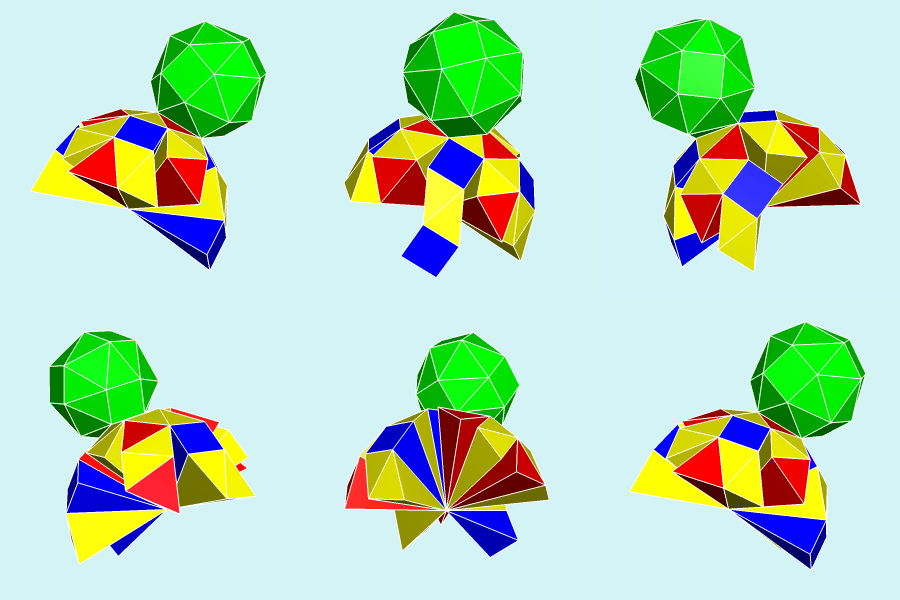
Pyritopyric Symmetry - [4,3⁺,1] order 24. This is the 4-D copy of pyritic symmetry. It has two distinct pyritic points. It has three dyadic rings which create six rectic areas and four dyadic rings which create 8 kitriggic areas. It has three spheres with rectpyric symmetry which creates 12 dyadic regions. White space creates 24 no sym areas.
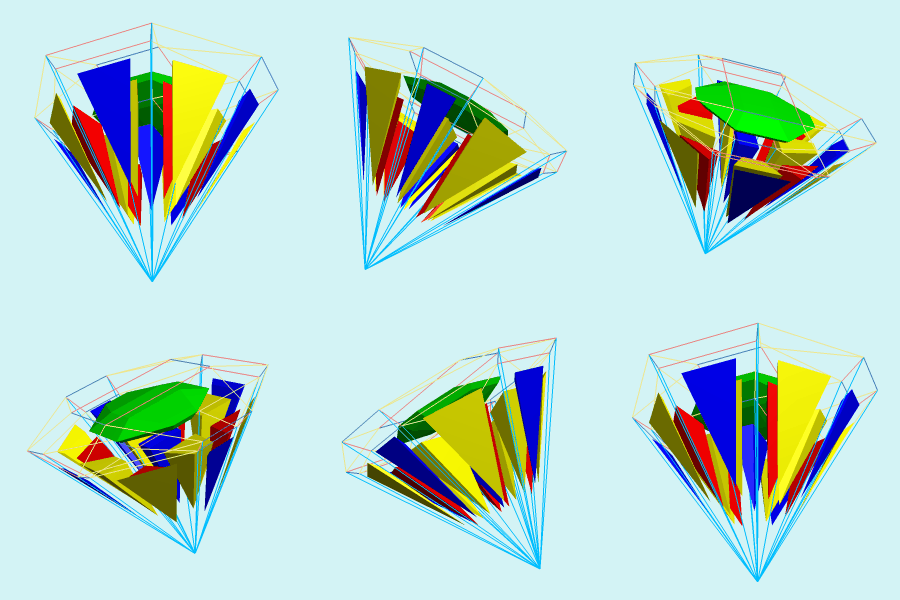
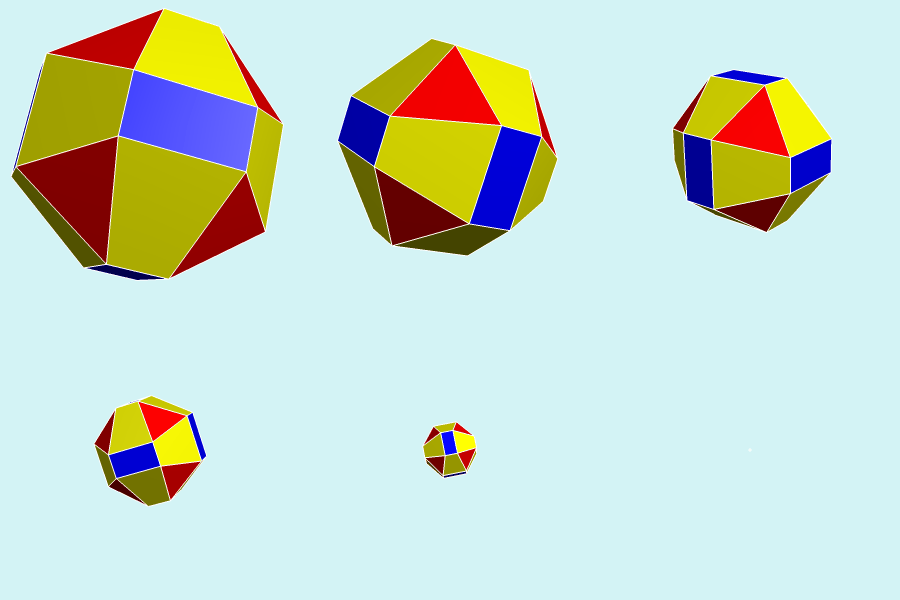

Dopic Symmetry - [5,3,2] order 240. This is the symmetry of the dodecahedron prism. It has 2 doic points, 12 pippic points, 20 trippic points, and 30 brick points. It has 6 rectic rings that generate 24 pentagonal areas, 10 rectic rings that generate 40 triggic areas, and two sets of 15 rectic rings which generate 60 rectic areas (one goes through the two doic points, the other is horizontal). There are 15 spheres with brick symmetry which generate 120 dyadic regions and one equatorial sphere with doic symmetry that creates 120 dyadic regions. White space creates 240 no sym regions.


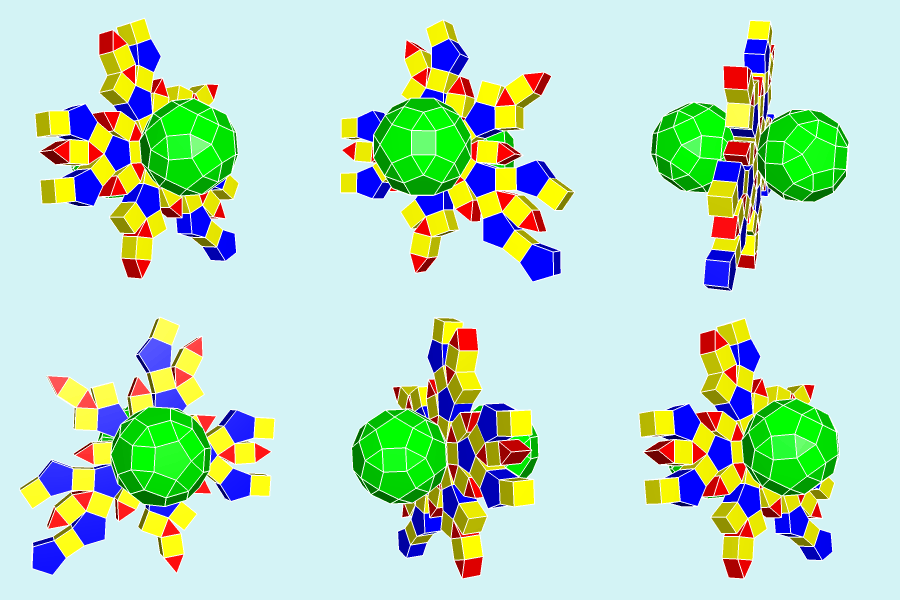
Prodopic Symmetry - [[5,3]⁺,2] order 120. This is the symmetry of the snid prism. It has 2 kidoic points which are lined up, 12 propippic points, 20 protrippic points, and 30 espic points. It has 6 rectic rings that generate 24 kipeggic areas, 10 rectic rings which create 40 kitriggic areas, and 15 rectic rings which create 60 essic areas. There is one sphere with kidoic symmetry which generates 60 dyadic regions. White space creates 120 no sym regions.
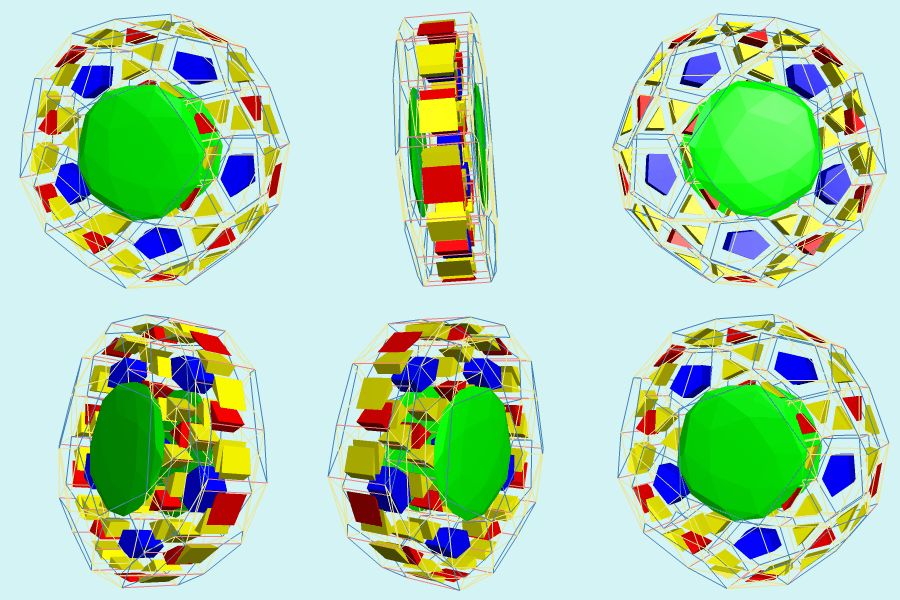

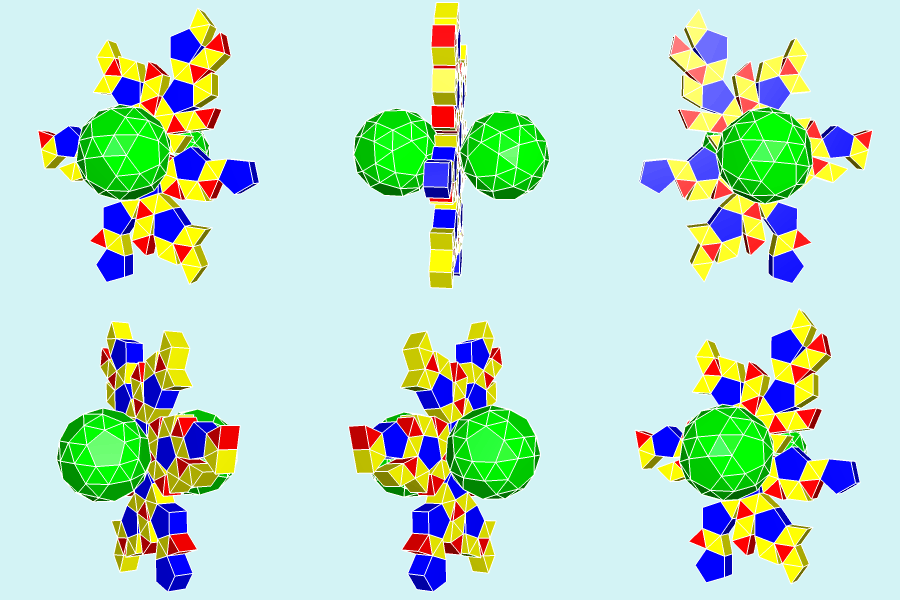
Kidopic Symmetry - [5,3,2]⁺ order 120. It has 2 kidoic points, 12 kipippic points, 20 kitrippic points, and 30 kibrick points. It has 6 rectic rings that generate 24 kipeggic regions, 10 rectic rings that create 40 kitriggic regions, and 15 rectic rings which creates 60 essic regions. There's one ghost sphere with doic symmetry which is part of white space. White space creates 120 no sym regions.

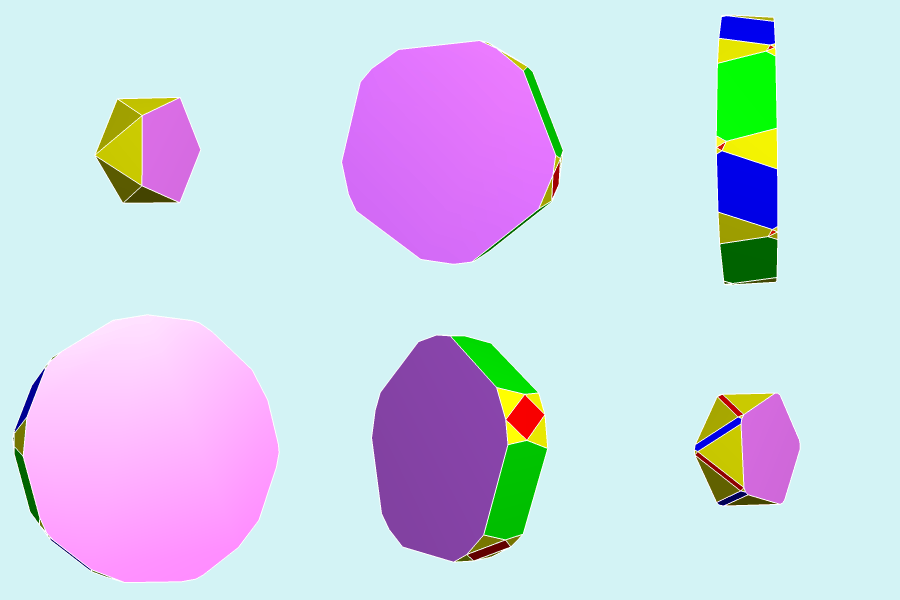

Dopyric Symmetry - [5,3,1] order 120. This is the symmetry of the dodecahedron pyramid and is a 4-D copy of doic symmetry. It has two sets of one doic points. It has six dyadic rings which creates 12 pentagonal areas, ten dyadic rings that create 20 triggic areas, and 15 dyadic rings that create 30 rectic areas. There are 15 spheres with rectic symmetry which creates 60 dyadic regions. White space creates 120 no sym areas.
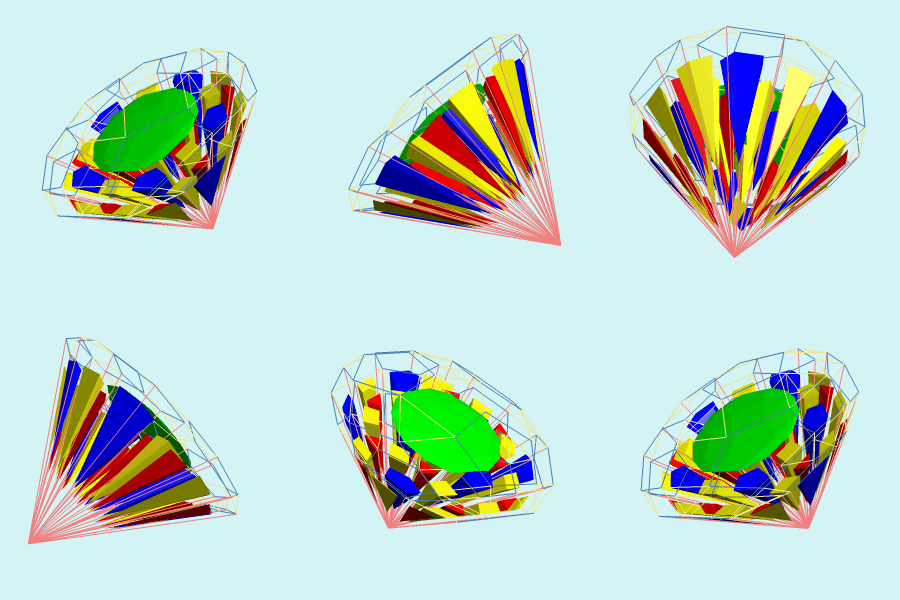


Kidopyric Symmetry - [5,3,1]⁺ order 60. This is the symmetry of the snid pyramid and is a 4-D copy of kidoic symmetry. It has two sets of one kidoic points. It has six dyadic rings which creates 12 kipeggic areas, ten dyadic rings that create 29 kitriggic areas, and 15 dyadic rings that creates 30 essic areas. White space creates 60 no sym areas.


Four Dimensional Symmetries - Part 1 - Main Symmetries . . . Four Dimensional Symmetries - Part 3 - Swirl Symmetries
Back to Polychoron Site . . . Home Page

Page created by Jonathan Bowers, 2021
e-mail = hedrondude at suddenlink dot net