

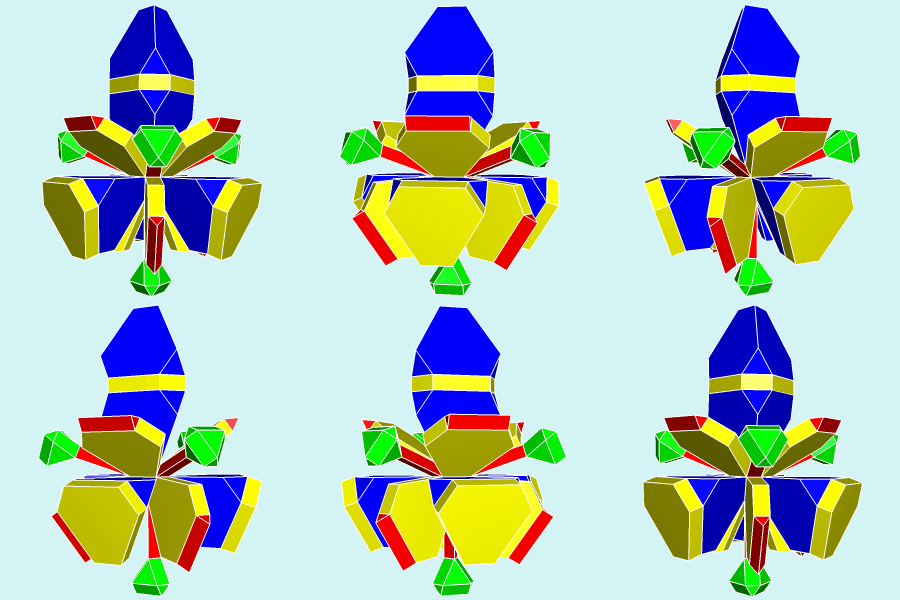
Glomic Symmetry - [O,O,O] order 2*OOO. It is the symmetry of a glome.
Kiglomic Symmetry - [O,O,O]⁺ order OOO. Chiral glome symmetry can best be visuallized by having a strange blue sphere that looks red in a mirror.
Hopfic Symmetry - [O,O:O] order 2*OO*O. This is the symmetry of Hopf fibration.
Kihopfic Symmetry - [O,O:O]⁺ order OO*O. Although Hopf fibration is chiral, the underlying symmetry that generates kihopfic is chiral also.
Pennic Symmetry - [3,3,3] order 120. Also called pentachoric symmetry. There are two sets of five points with tettic symmetry and two sets of ten points with trippic symmetry. There are ten rings with dyadic symmetry that generate 20 trigonic areas and 15 dyadic rings which generate 30 rectic areas. There are ten spheres with trippyric symmetry that generate 60 dyadic areas. Elsewhere (which we'll call the 'white space') generates 120 no sym areas.
Kipennic Symmetry - [3,3,3]⁺ order 60. Also called chiropennic or chiro-pentachoric symmetry. There are two sets of five points with kitettic symmetry and two sets of ten points with kitrippic symmetry. There are ten rings with dyadic symmetry that generate 20 kitriggic areas and 15 rings with dyadic symmetry that generate 30 essic areas. White space creates 60 no sym areas.
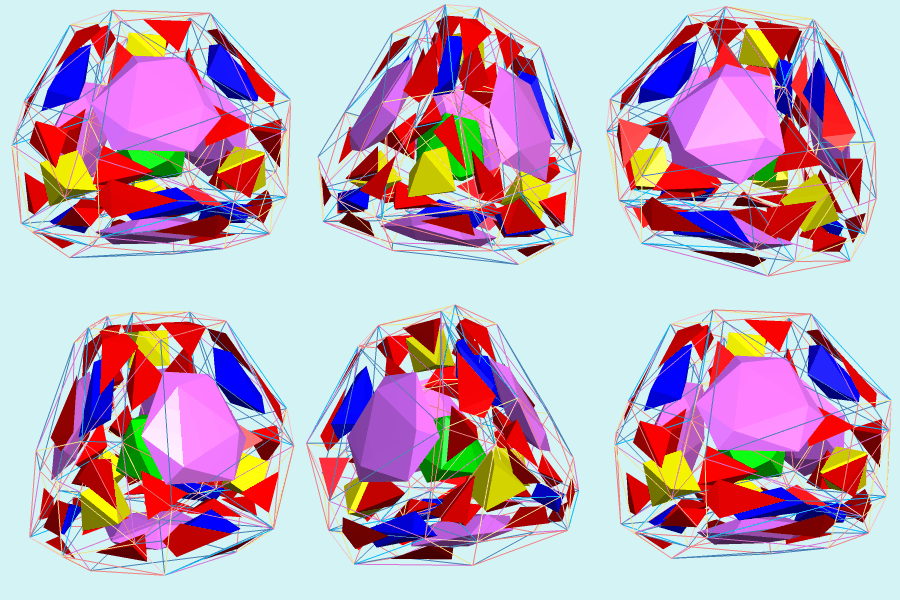

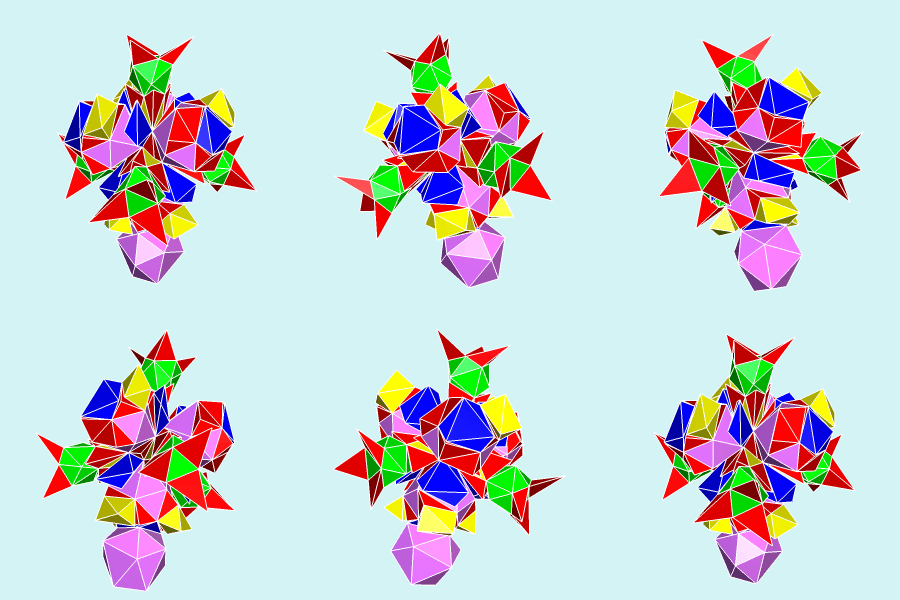
Decaic Symmetry - [[3,3,3]] order 240. It is the symmetry of deca and spid. There are ten points with tettic symmetry, 20 points with trippic symmetry, 20 points with trappic symmetry, and 30 points with disphic symmetry. There are 10 rings with rectic symmetry which generate 40 trigonic areas, 15 rings with rectic symmetry which generate 60 rectic symmetry, and 15 rings with square symmetry that generate 120 essic areas. There are ten spheres with trappic symmetry that generate 120 dyadic areas. White space generates 240 no sym areas.

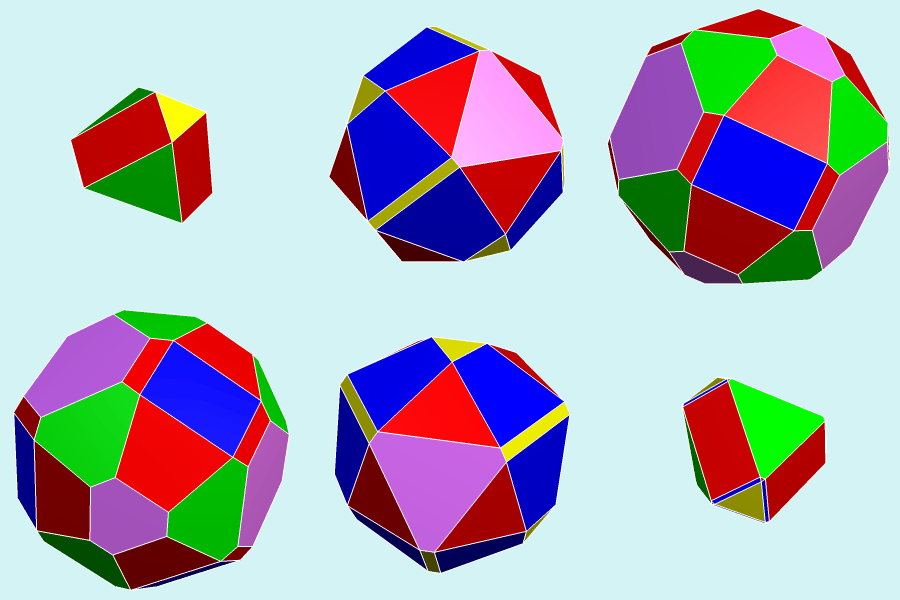
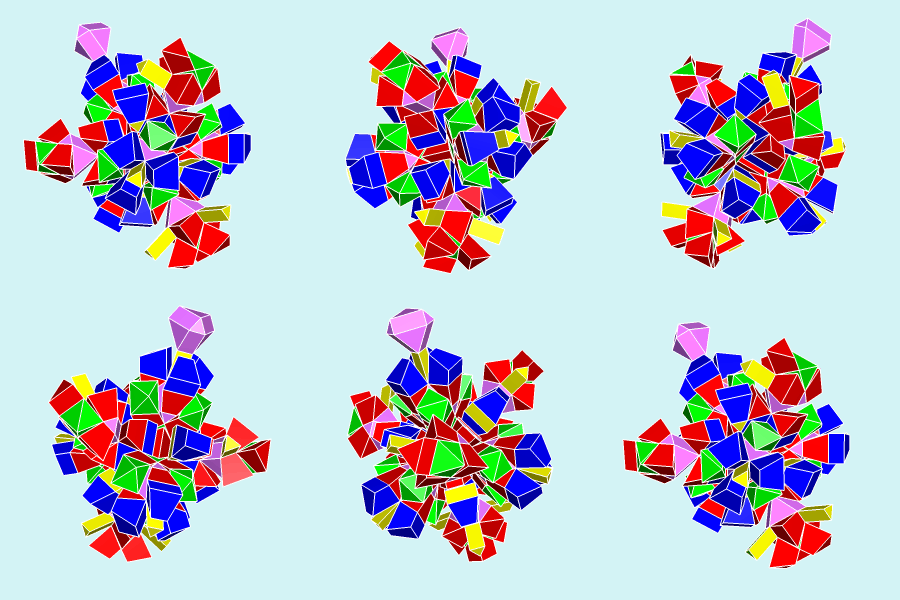
Kidecaic Symmetry - [[3,3,3]]⁺ order 120. Also called chirodecaic symmetry. There are ten points with kitettic symmetry, two sets of 20 with kitrippic symmetry, and 30 with kibrick symmetry. There are 10 rectic rings which generates 40 kitriggic areas and two sets of 15 rectic rings which creates 60 regions with essic symmetry. White space creates 120 no sym areas.


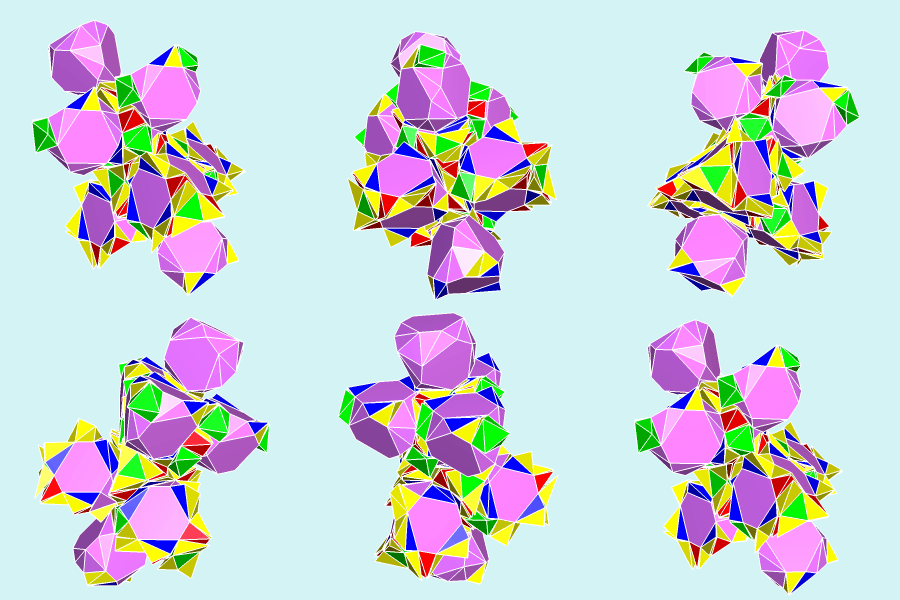
Iodecaic Symmetry - [[3,3,3]⁺] order 120. Also called ionic decaic symmetry. There are ten points with kitettic symmetry, 20 with kitrippic symmetry, 20 with protrappic symmetry, and 30 with prodappic symmetry. There are 10 rectic rings which generates 40 kitriggic areas and 15 rectic rings which creates 60 essic areas. White space creates 120 no sym areas.


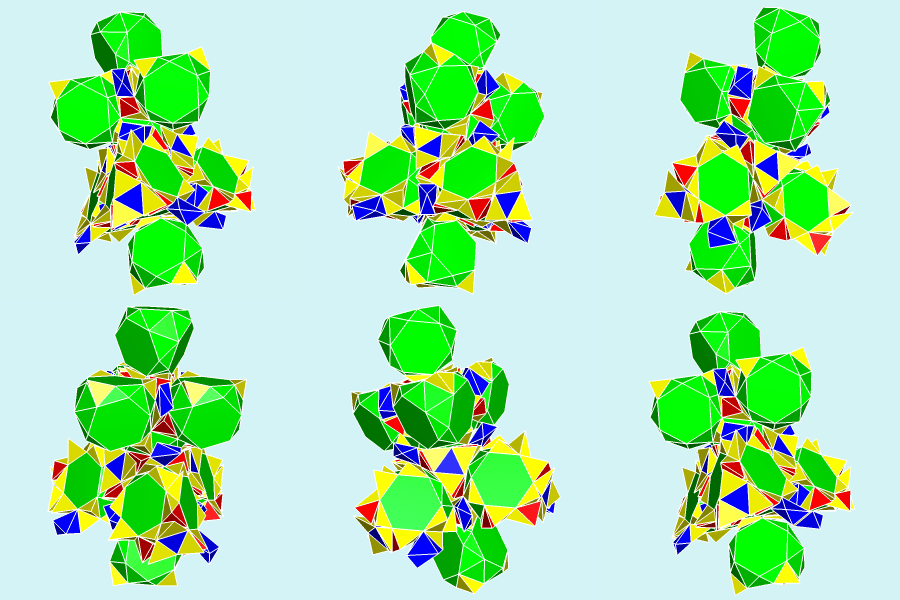
Tessic Symmetry - [4,3,3] order 384. Also called tesseractic symmetry. There are eight points of cubic symmetry, 16 of tettic symmetry, 24 of squippic symmetry, and 32 of trippic symmetry. There are six rings of square symmetry that generates 48 square symmetric areas, 16 rectic rings that create 64 trigonic regions, 24 rectic rings that create 96 rectic areas, and 12 square rings that creates 96 rectic areas. There are four spheres with cubic symmetry which generate 192 dyadic regions and 12 spheres with squippic symmetry which generate 192 dyadic areas. White space creates 384 no sym areas.
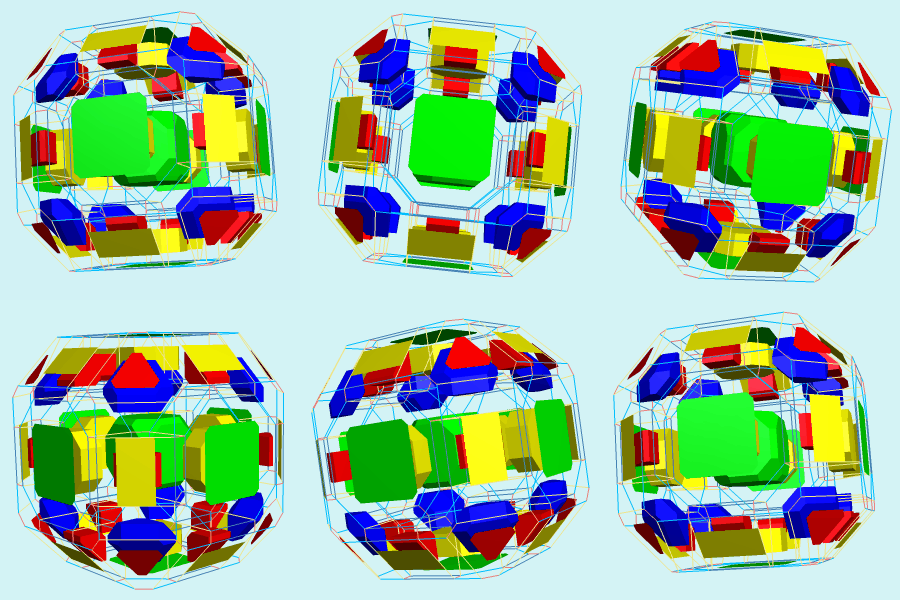
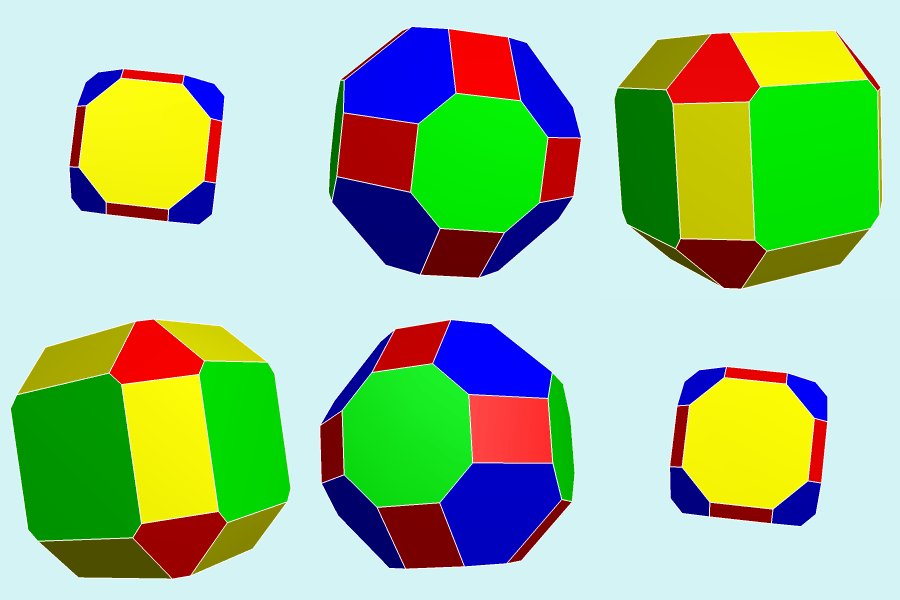
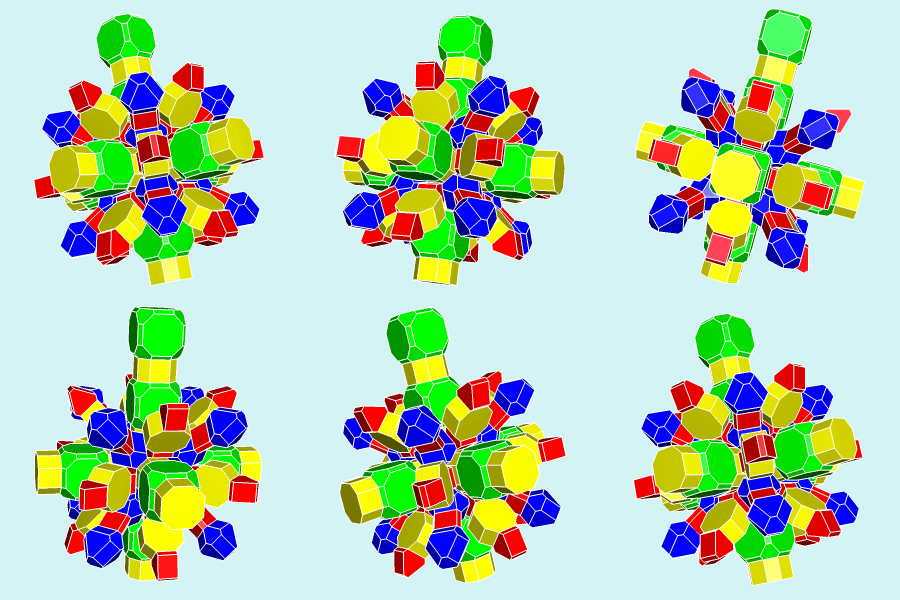
Kitessic Symmetry - [4,3,3]⁺ order 192. This is chiral tesseractic symmetry. It has eight points of kicubic symmetry, 16 of kitettic, 24 of kisquippic, and 32 of kitrippic. There are six rings of square symmetry that generates 48 kisquare areas, 16 rectic rings that creates 64 kitriggic symmetry, 24 rectic rings that create 96 essic areas, and 12 square rings that create 96 essic areas. White space creates 192 no sym areas.

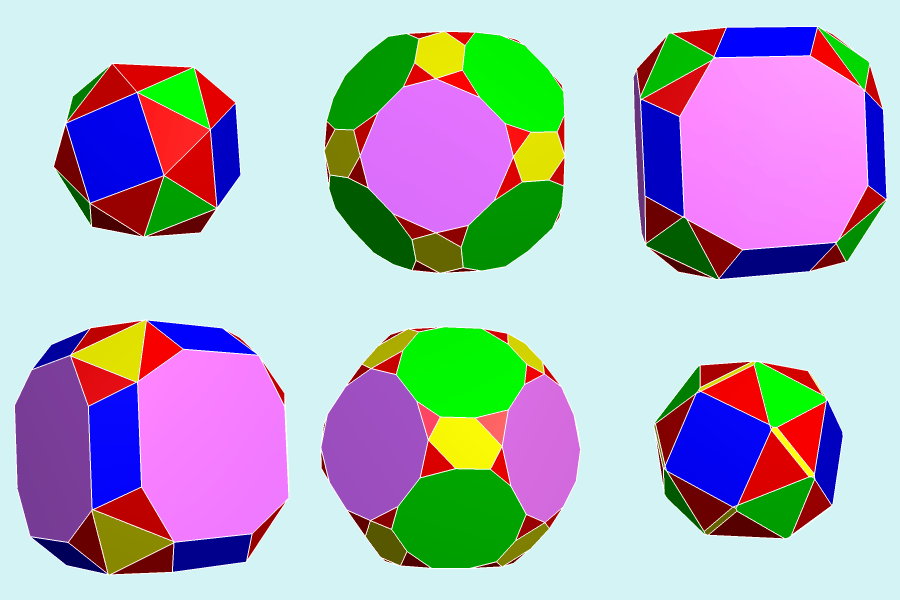

Demitessic Symmetry - [31,1,1] order 192. It has three sets of eight points with tettic symmetry and 24 points with brick symmetry. There are 16 rings with essic symmetry that creates 64 trigonic areas and three sets of six rings with square symmetry that generate 48 rectic symmetric regions. There are 12 spheres with brick symmetry that create 96 dyadic regions. White space creates 192 no sym areas.

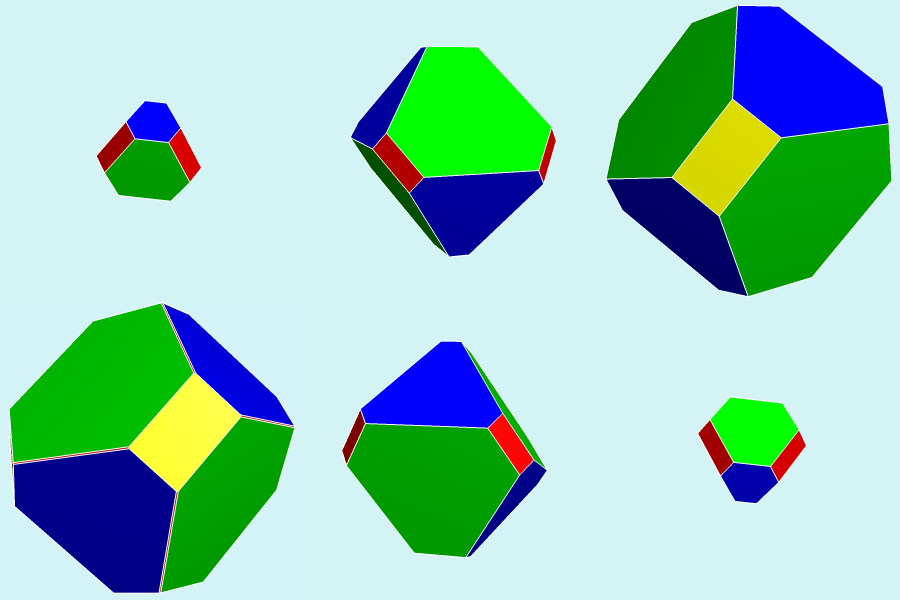
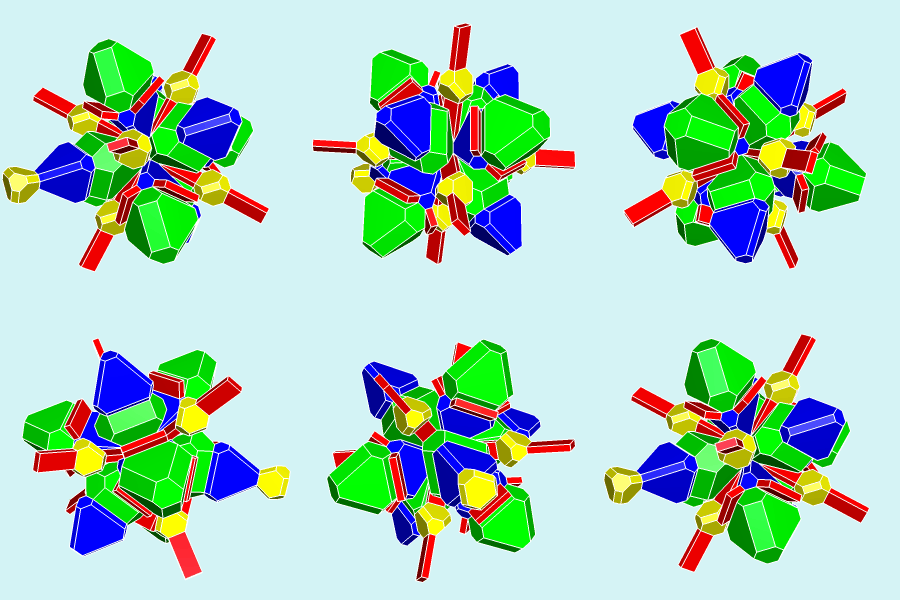
Kidemitessic Symmetry - [31,1,1]⁺ order 96. This is chiral demitessic symmetry. It has three sets of eight points with kitettic symmetry and 24 points with kibrick symmetry. There are 16 rings with essic symmetry which creates 64 kitriggic areas and three sets of six rings with square symmetry which creates 48 essic areas. White space creates 96 no sym areas.


Tessipyritic Symmetry - [4,[3,3]⁺] order 192. There are eight points with pyritic symmetry, 16 with kitettic symmetry, 24 with dappic symmetry, and 32 with protrippic symmetry. There are six rings of square symmetry that creates 48 rectic areas, 16 rectic rings which creates 64 kitriggic areas, and 12 square rings which creates 96 essic areas. There are four spheres with pyritic symmetry that generates 96 dyadic areas. White space creates 192 no sym areas.
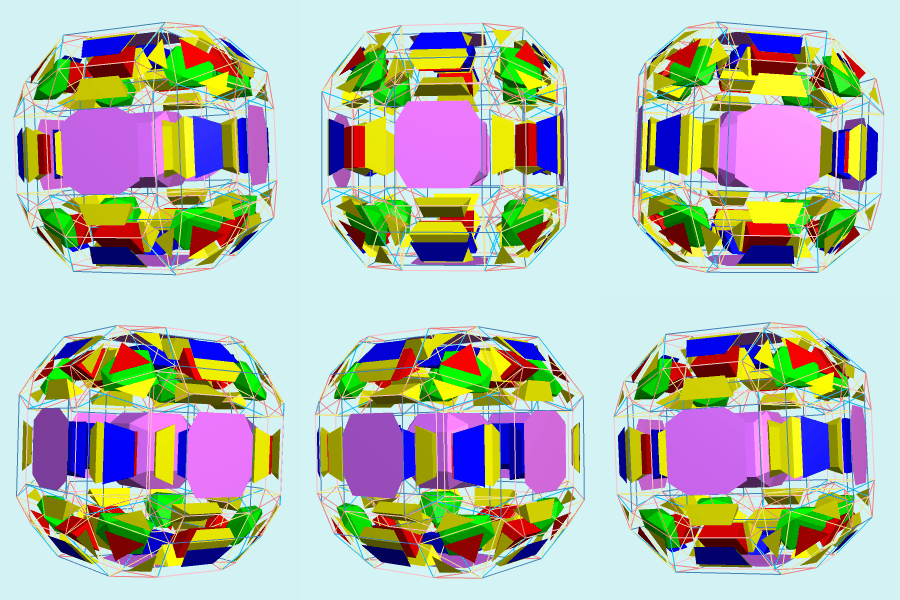
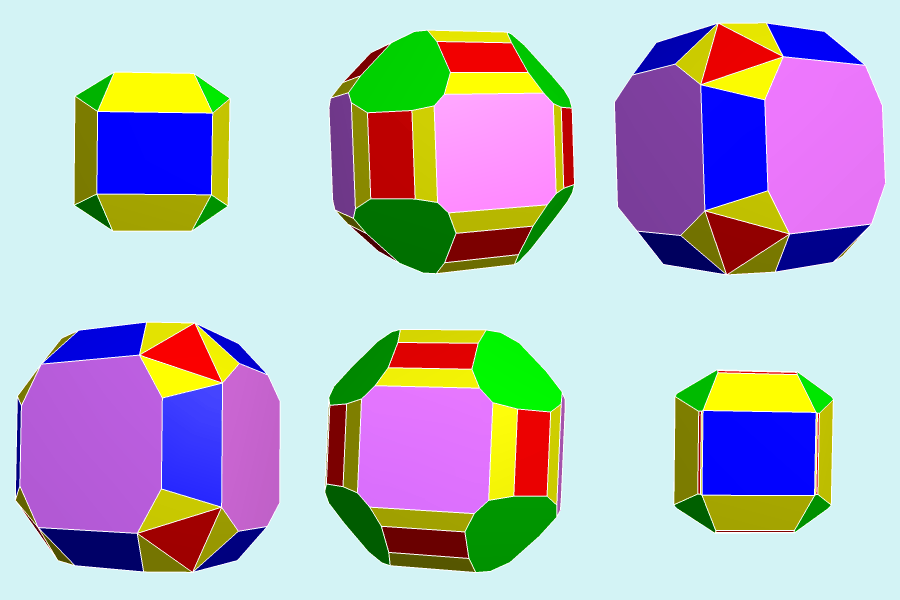

Icoic Symmetry - [3,4,3] order 1152. It has two sets of 24 points with cubic symmetry and two sets of 96 points with trippic synmmetry. It has 18 rings with square symmetry which generate 144 square symmetric regions, two sets of 16 hexagonal rings which generate 192 trigonic regions each, and 72 rectic rings which generate 288 rectic regions. It has two sets of 12 spheres with cubic symmetry which generate 576 dyadic regions. White space creates 1152 no sym areas.


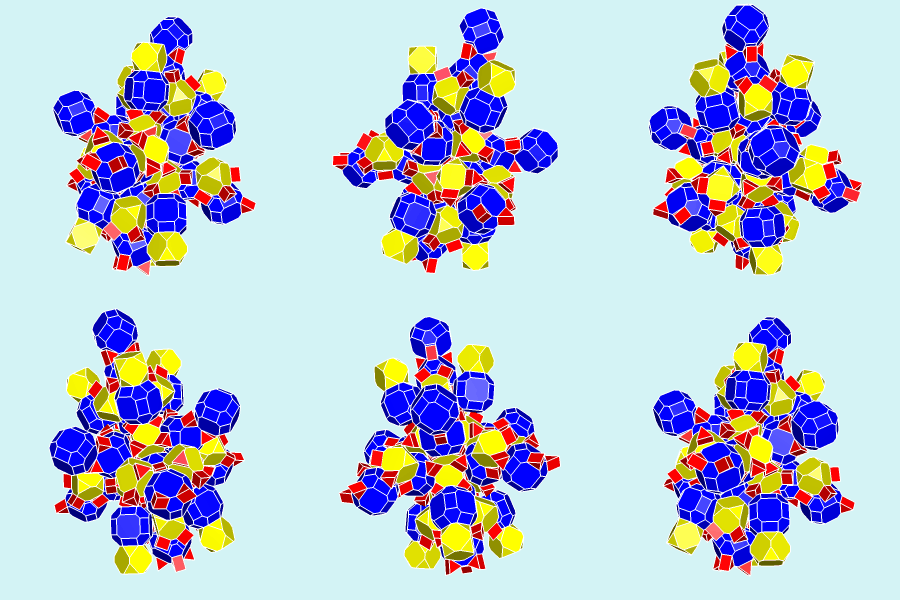
Kiicoic Symmetry - [3,4,3]⁺ order 576. It has two sets of 24 points with kicubic symmetry and two sets of 96 points with kitrippic symmetry. It has 18 rings with square symmetry which generate 144 kisquare regions, two sets of 16 hexagonal rings which generate 192 kitrigic regions each, and 72 rectic rings which generate 288 essic regions. White space creates 576 no sym areas.
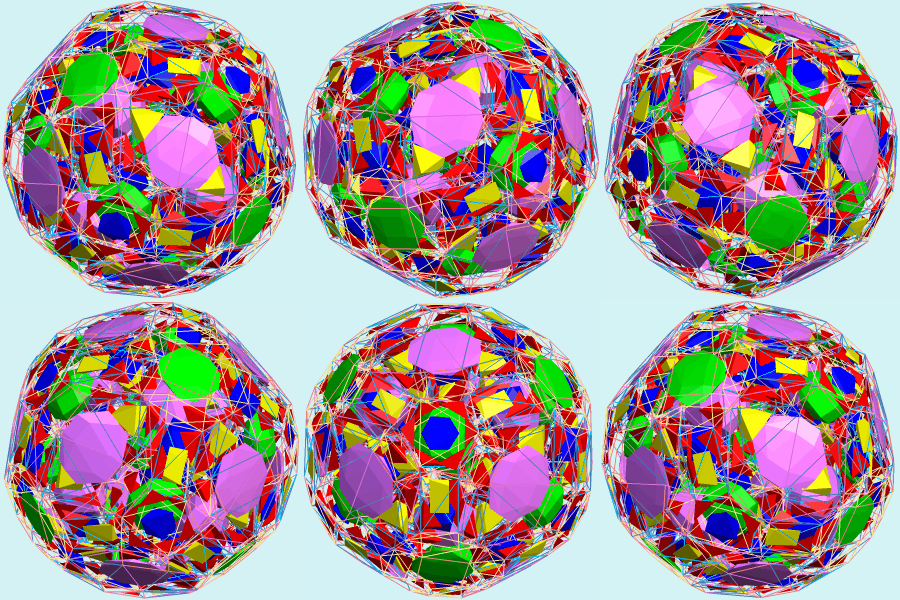

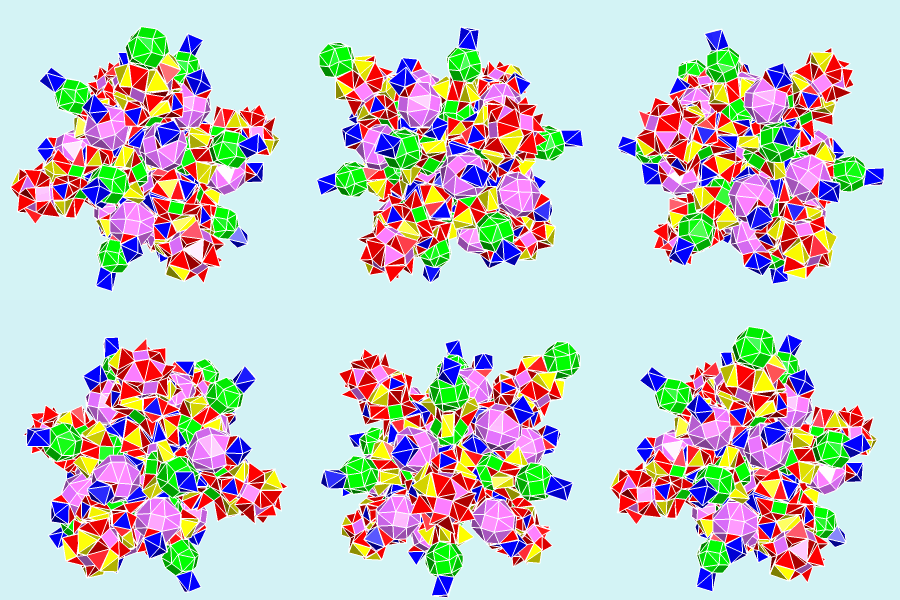
Contic Symmetry - [[3,4,3]] order 2304. It has 48 points with cubic symmetry, 144 points with squappic symmetry, 192 points with trippic symmetry, and 288 points with dappic symmetry. It has 18 rings with octagon symmetry which generate 288 square symmetric regions, 32 hexagonal rings which generate 384 trigonic regions, 72 square rings which generate 576 rectic regions, and 72 octic rings which generate 1152 essic regions. There are 24 spheres with cubic symmetry which generate 1152 dyadic regions. White space creates 2304 no sym areas.
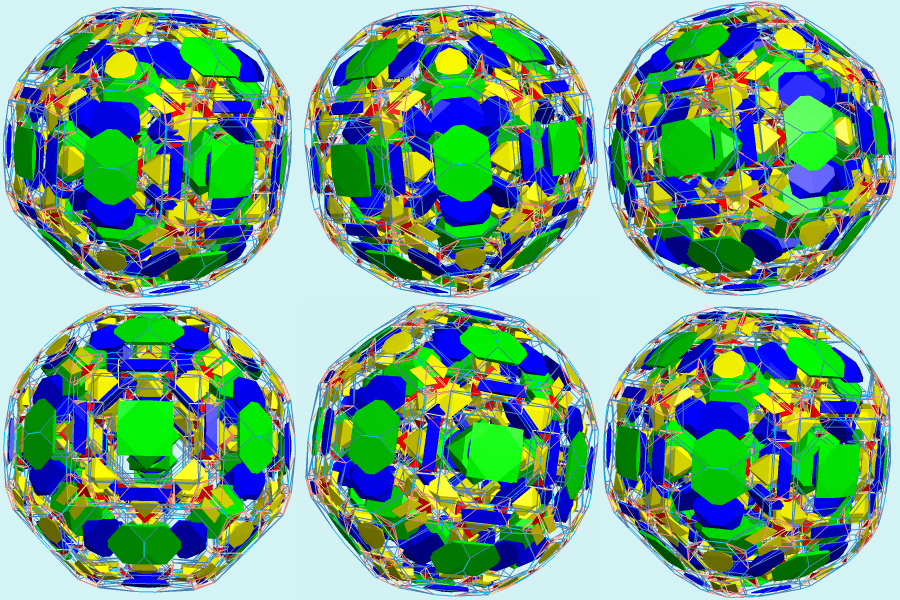
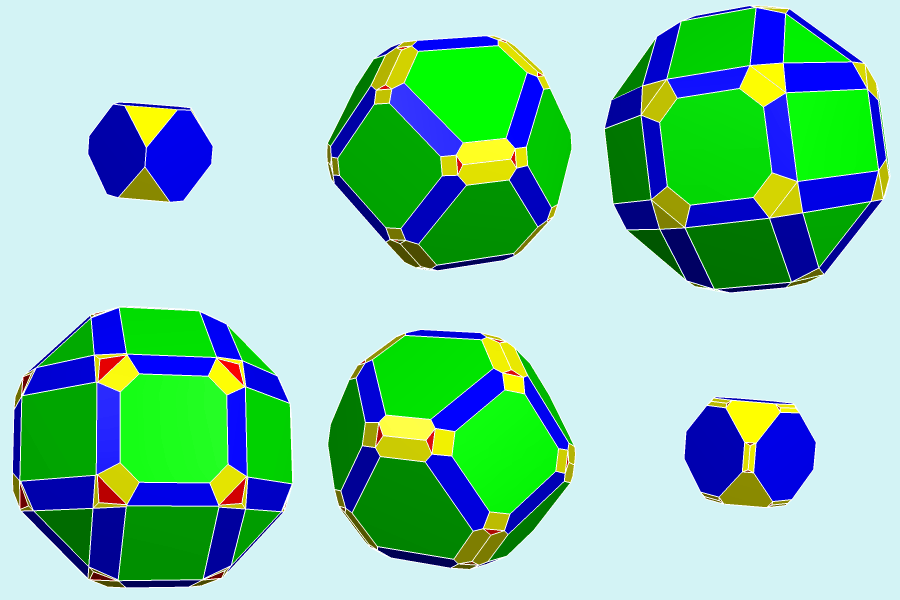
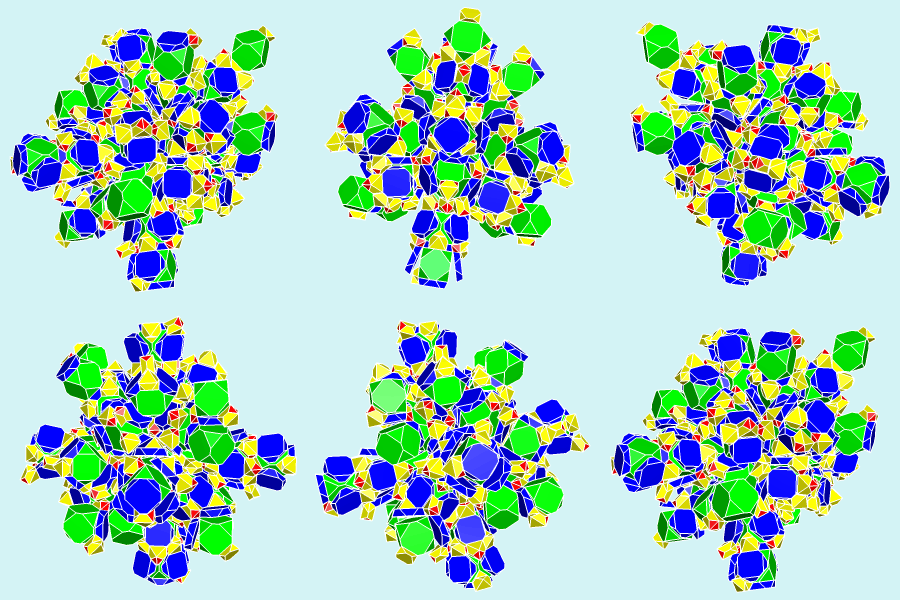
Kicontic Symmetry - [[3,4,3]]⁺ order 1152. It has 48 kicubic points, 144 kisquappic points, 192 kitrippic points, and 288 kibrick points. It has 18 octagonal rings which generate 288 kisquare regions, 32 hexagonal rings which generate 384 kitriggic regions, 72 square rings which generate 576 essic regions, and two sets of 36 octic rings which generate 576 essic regions each. White space creates 1152 no sym areas.


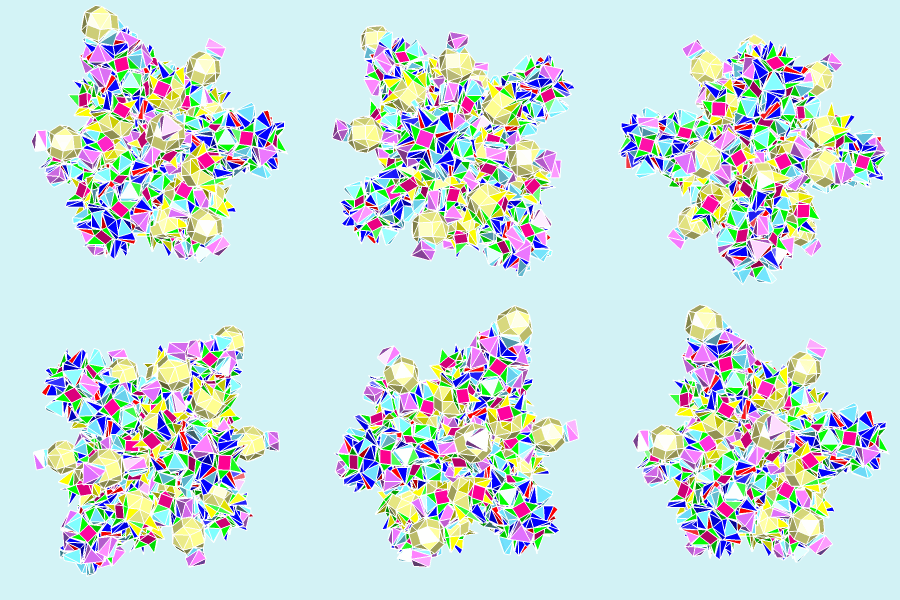
Iocontic Symmetry - [[3,4,3]⁺] order 1152. It has 48 kicubic points, 144 prosquappic points, 192 kitrippic points, and 288 prodappic points. It has 18 octagonal rings which generate 288 kisquare regions, 32 hexagonal rings which generate 384 kitriggic regions, and 72 square rings which generate 576 essic regions. White space creates 1152 no sym areas.
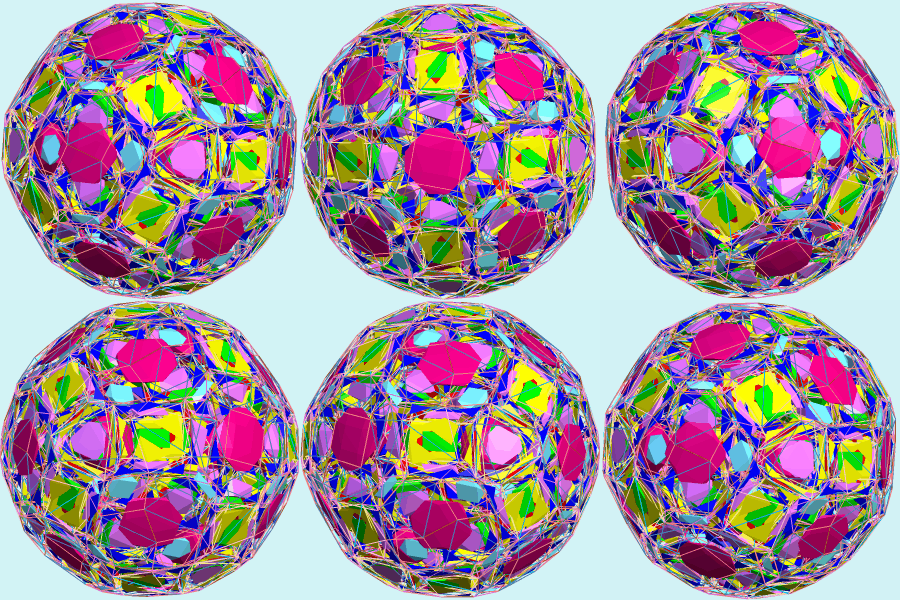


Icopyritic Symmetry - [3,4,3⁺] order 576. It has 24 pyritic points, 24 tettic points, and 96 protrippic points. It has 18 square symmetric rings which generate 144 rectic regions, 16 hexagonal symmetric rings which generate 192 kitriggic regions, and 16 kihexagonic rings which generate 96 triggic regions. It also has 12 spheres with pyritic symmetry which generate 288 dyadic regions. White space creates 576 no sym areas.

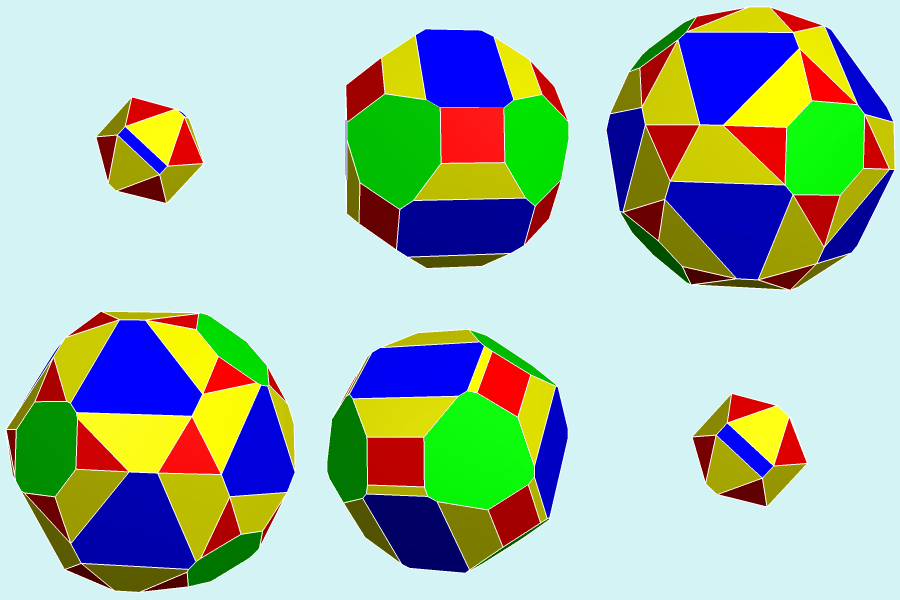

Toxitic Symmetry - [3⁺,4,3⁺] order 288. It has two sets of 24 kitettic points. It has 18 square symmetric rings which generate 144 essic areas and two sets of 16 kihexagonal rings which generate 96 kitrigonal regions each. White space creates 288 no sym areas.
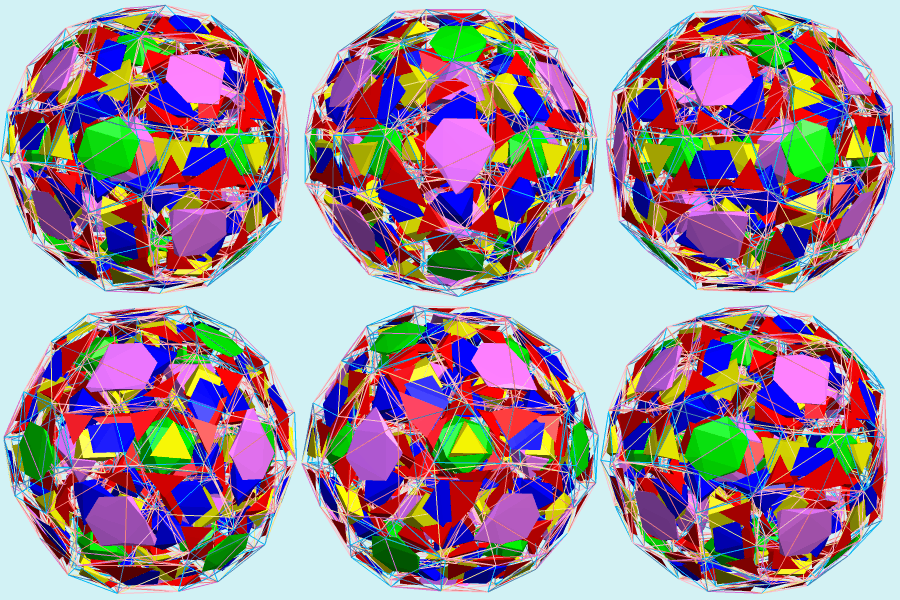


Oxitic Symmetry - [[3⁺,4,3⁺]] order 576. It has 48 kitettic points and 144 kibrick points. It has 18 octagonal rings which generate 288 essic areas, 32 kihexagonal rings which generate 192 kitrigonal regions, and 36 square rings which generate 288 essic regions. White space creates 576 no sym areas.
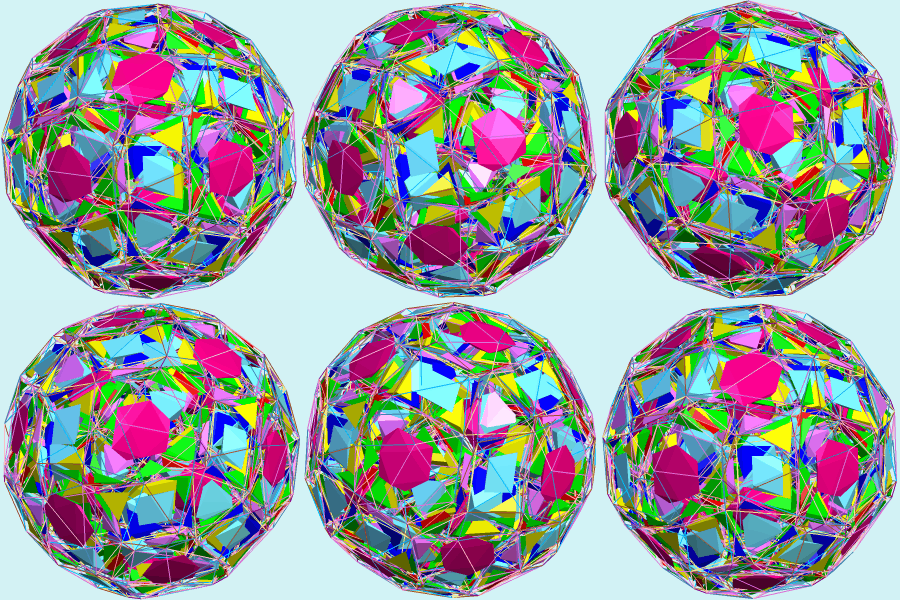

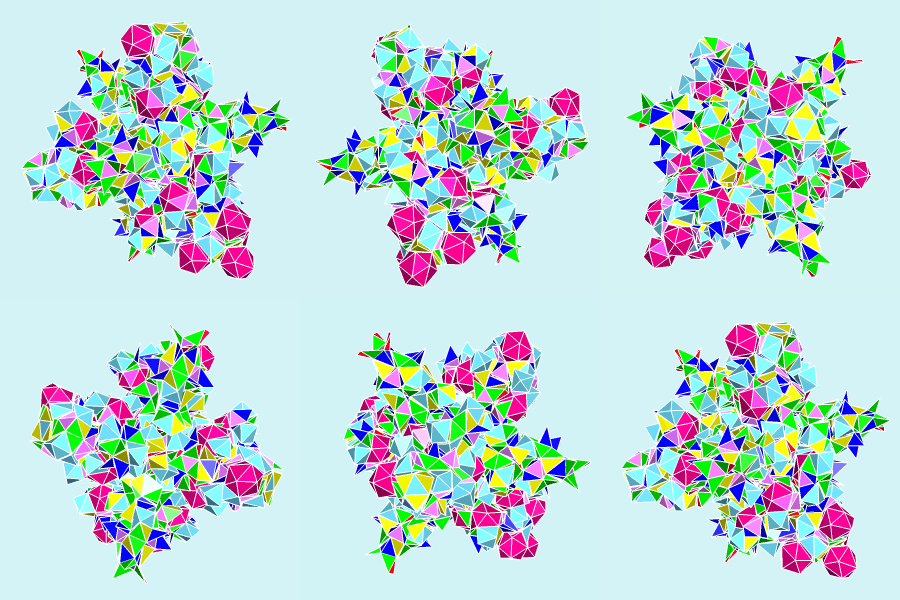
Hyic Symmetry - [5,3,3] order 14400. This is the symmetry of the 120-cell and is quite common in the uniform polychora. This symmetry has 120 points of doic symmetry, 600 points of tettic symmetry, 720 points of pippic symmetry, and 1200 points of trippic symmetry. It has 72 rings with decagonal symmetry that generate 1440 spots with pentagon symmetry, 200 rings with hexagonal symmetry that generate 2400 trigonic regions, and 450 rings with square symmetry that create 3600 rectic areas. There are also 60 spheres with doic symmetry that create 7200 dyadic regions. White space creates 14400 points with no symmetry.


Kihyic Symmetry - [5,3,3]⁺ order 7200. This is the chiral 120-cell symmetry. It has 120 points of kidoic symmetry, 600 points of kitettic symmetry, 720 points of kipippic symmetry, and 1200 points of kitrippic symmetry. It has 72 rings with decagonal symmetry that create 1440 kipeggic regions, 200 hexagonal rings that generate 2400 kitriggic regions, and 450 square rings that create 3600 essic regions. White space creates 7200 spots with no symmetry.


Ixitic Symmetry - 5[3⁺,4,3⁺] order 1440. It has two sets of 120 points with kitettic symmetry. It has 80 rings with kihiggic symmetry which generate 480 kitriggic areas and 90 rings with square symmetry that generate 720 essic areas. White space generates 1440 no sym areas.


Ixoic Symmetry - 5[[3⁺,4,3⁺]] order 2880. It has 240 points with kitettic symmetry, two sets of 480 points with kitrippic symmetry, and 720 points with kibrick symmetry. It has 80 hexagonal rings which generate 960 kitriggic areas and 90 octagonal rings that generate 1440 essic areas. White space creates 2880 no sym areas.


Up to Three Dimensional Symmetries . . . Four Dimensional Symmetries - Part 2 - Prismattics
Back to Polychoron Site . . . Home Page

Page created by Jonathan Bowers, 2021
e-mail = hedrondude at suddenlink dot net